Health Benefits of Professional Carpet Cleaning in Perth
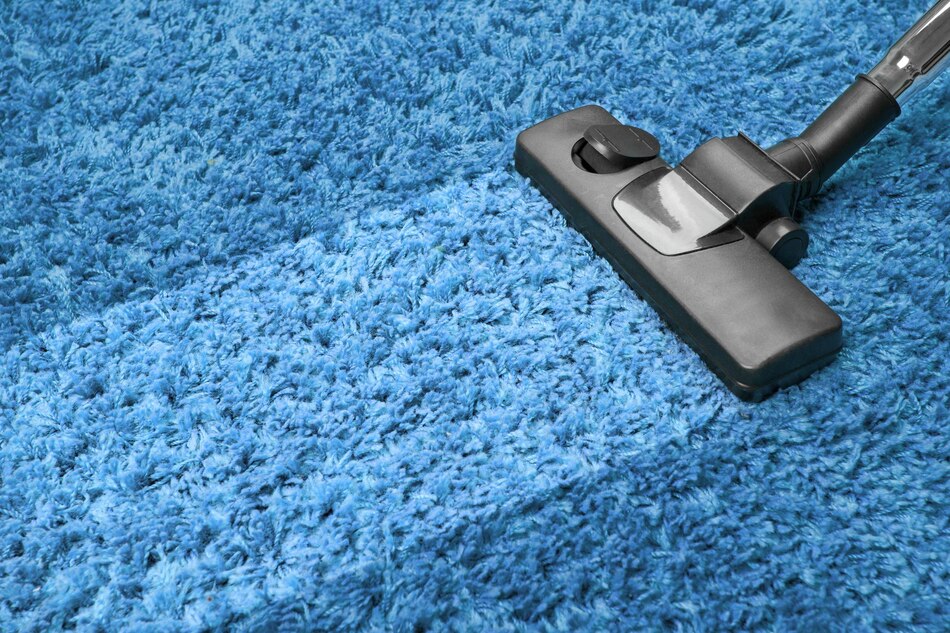
Carpets do a remarkable job of trapping airborne particles — dust, pollen, pet dander, bacteria, and mould spores all settle into carpet fibres over time. Regular vacuuming removes surface debris, but it cannot reach the deeper layers where many of these contaminants accumulate. Professional carpet cleaning addresses what a standard vacuum cannot, and the difference it makes to indoor health is significant. If you are weighing up whether the investment is worthwhile, understanding the specific health benefits of professional carpet cleaning in Perth is a practical starting point.
Table of Contents
ToggleWhy Carpets Affect Indoor Health
Carpet fibres act like a filter for indoor air. Every time someone walks across the floor, particles trapped in the carpet are disturbed and released back into the breathing zone. In a home or office that is not professionally cleaned regularly, this cycle continuously reintroduces allergens and contaminants into the air.
Perth’s climate — warm, dry summers and mild winters — also creates conditions where dust mite populations and mould can establish themselves in carpeted areas, particularly in rooms with limited ventilation. These factors make professional cleaning more than a cosmetic concern; it is a genuine component of maintaining a healthy indoor environment.
Allergen and Dust Mite Removal
Dust mites are microscopic organisms that thrive in carpet fibres, feeding on shed skin cells. Their waste particles are one of the most common triggers for allergic reactions and asthma symptoms. A standard vacuum cleaner, even a high-quality one, does not generate the suction or heat required to eliminate dust mite populations at a meaningful level.
Professional carpet cleaning uses hot water extraction — commonly called steam cleaning — which combines high-temperature water with powerful suction. The heat kills dust mites, and the extraction removes their waste matter along with other allergens such as pollen and pet dander. For households where someone suffers from allergies or asthma, this is one of the most immediate and measurable health benefits.
Improved Indoor Air Quality
Indoor air quality is directly linked to what is stored in carpets and how frequently those carpets are cleaned. Pollutants that settle into carpet fibres include outdoor particles tracked in on shoes, volatile organic compounds (VOCs) from household products, and biological matter such as bacteria and mould spores.
When carpets are professionally cleaned, this accumulated load is physically removed rather than redistributed. The result is air that carries fewer suspended particles during everyday movement through the room. This matters particularly for children who spend time on the floor, elderly residents, and anyone with a respiratory condition.
For more detail on how professional cleaning affects air quality in workplace environments, the article on indoor air quality and commercial cleaning in Perth offices covers the relationship between structured cleaning routines and airborne contaminants in professional settings.
Mould and Bacteria Reduction
Moisture can become trapped at the base of carpet fibres, particularly in rooms with humidity or after spills that were not fully dried. This creates conditions where mould and bacteria can grow undetected. Mould spores that become airborne are associated with respiratory irritation, sinus congestion, and in sensitive individuals, more serious health responses.
Professional cleaning methods — particularly hot water extraction — address moisture-related contamination more effectively than surface treatments. The heat used in the process is sufficient to kill many common bacteria and mould colonies present in carpet fibres. After cleaning, thorough drying (which professional equipment also facilitates through powerful extraction) prevents new moisture from remaining trapped at carpet level.
Respiratory Health and Reduced Irritation
Even people without diagnosed allergies or asthma can notice respiratory irritation in environments with heavily soiled carpets. Dust, VOCs, and biological particles create a low-level irritant load that can contribute to headaches, fatigue, sneezing, and general discomfort — symptoms that are easy to attribute to other causes.
Reducing the concentration of these particles through professional carpet cleaning can produce a noticeable improvement in how occupants feel in their own home or workspace. This is especially relevant in Perth homes where windows and doors may remain closed during extreme summer heat, limiting the dilution of indoor air pollutants through natural ventilation.
Elimination of Tracked-In Contaminants
Outdoor pollutants — pesticide residues, vehicle exhaust particulates, dust, and soil — are carried indoors on shoes and settle into carpet fibres close to entry points. Children and pets, who are closer to floor level, have a higher exposure to these contaminants than adults do.
Professional cleaning removes this accumulated layer of tracked-in matter thoroughly and consistently. It is a process that complements other hygiene practices in the home and contributes to a safer floor-level environment for young children in particular.
Dry Carpet Cleaning: An Alternative Worth Knowing
Hot water extraction is the most widely used professional method, but dry carpet cleaning is a practical alternative in situations where minimal drying time is needed — for example, in commercial spaces that cannot be closed for extended periods. In this method, a low-moisture compound is applied to the carpet, worked into the fibres to bind with contaminants, and then extracted. The health benefits in terms of allergen and debris removal are comparable, and it is a suitable option when hot water extraction is not practical.
Understanding which method suits your space is part of what a professional cleaner will assess before starting work.
Extending Carpet Life Supports Long-Term Health Outcomes
This benefit is often presented as a purely financial consideration, but it has a health dimension too. Carpets that are allowed to accumulate deep-seated grime begin to degrade — fibres break down, and the carpet’s capacity to trap and hold particles diminishes. A deteriorating carpet becomes a source of fibrous particles in the air rather than a passive filter. Regular professional cleaning maintains fibre integrity and keeps the carpet functioning as it should within the indoor environment.
How Often Should Carpets Be Professionally Cleaned?
The appropriate frequency depends on several factors: the number of occupants, whether pets or young children are present, the level of foot traffic, and whether anyone in the household has allergies or respiratory conditions. As a general guide:
- Low-traffic households without pets or allergy sufferers: once every 12 to 18 months
- Households with pets or children: every 6 to 12 months
- Households with allergy or asthma sufferers: every 3 to 6 months, or as recommended by a health professional
- Commercial spaces with high foot traffic: every 3 to 6 months depending on use
These are guidelines rather than fixed rules. A professional cleaner can assess your carpets and recommend a schedule based on their current condition.
Professional Cleaning Versus Regular Vacuuming: What Is the Difference?
Regular vacuuming is an important part of carpet maintenance. It removes loose surface debris and slows the accumulation of particles in the upper layers of carpet fibres. However, it does not remove:
- Deeply embedded fine particulates
- Dust mite populations and their waste matter
- Mould or bacteria that have established themselves in the lower fibre layers
- VOCs and chemical residues that have settled into the carpet
- Oily soils from skin contact and food that bind to fibres
Professional cleaning reaches these deeper layers through a combination of pre-treatment solutions, mechanical agitation, high-temperature water or compound application, and powerful extraction. The two approaches are complementary — regular vacuuming between professional cleans maintains the results and reduces the pace at which deep soiling accumulates.
What to Expect From a Professional Carpet Clean
A professional carpet cleaning service typically includes an inspection of carpet condition and fibre type, pre-treatment of stains and high-traffic areas, the main cleaning process (hot water extraction or dry cleaning depending on suitability), and extraction and drying. Reputable providers use equipment and cleaning agents appropriate for the carpet type to avoid damage to fibres or backing.
For Perth households looking at a broader professional cleaning arrangement, understanding the key benefits of hiring professional home cleaners in Perth can help set expectations about what professional cleaning covers across the home, not just carpets.
If you are in the process of selecting a provider, this complete guide to choosing house cleaners in Perth covers the questions worth asking before you book.
Frequently Asked Questions
Does professional carpet cleaning actually remove allergens?
Yes. Hot water extraction removes dust mite waste, pet dander, pollen, and other allergens from deep within carpet fibres. Surface vacuuming does not reach these layers effectively. For allergy or asthma sufferers, professional cleaning is one of the most direct ways to reduce allergen load at floor level.
Is professional carpet cleaning safe for children and pets?
Professional cleaners use cleaning agents suited to the environment. Once carpets are fully dry after hot water extraction, the space is safe for children and pets. Drying times vary depending on ventilation and the equipment used, but typically range from two to six hours.
Can carpet cleaning help with mould?
Professional cleaning can remove mould that has established itself in carpet fibres, particularly when hot water extraction is used. However, if the underlying cause of moisture — such as a leak or persistent humidity — is not addressed, mould may return. A professional cleaner can advise on whether the level of mould present is within the scope of carpet cleaning or requires further remediation.
How long does the process take?
This depends on carpet size, the method used, and the condition of the carpet. A standard residential carpet clean typically takes between one and three hours, with drying time in addition to that.
Can I stay at home during the carpet clean?
Yes, though it is generally more convenient to keep foot traffic off cleaned areas while they dry. Your cleaning provider will advise on which areas to avoid and for how long.
Keeping Your Home Healthy Starts at Floor Level
Carpets are one of the most overlooked contributors to indoor health — for better or worse. Well-maintained carpets support cleaner air and a lower allergen load. Neglected carpets do the opposite. Professional cleaning is the most effective way to reset carpet condition and maintain the health benefits carpets can offer when properly cared for.
Sparkle Commercial Cleaning provides professional carpet cleaning services across Perth. For a cleaner home environment from the floor up, contact us to discuss your cleaning requirements.
For homeowners interested in maintaining a healthier living space more broadly, the connection between a genuinely clean home and household wellbeing is worth exploring alongside carpet care as part of an overall approach.