

Room-by-Room Home Cleaning Tips: How to Keep Every Space Fresh
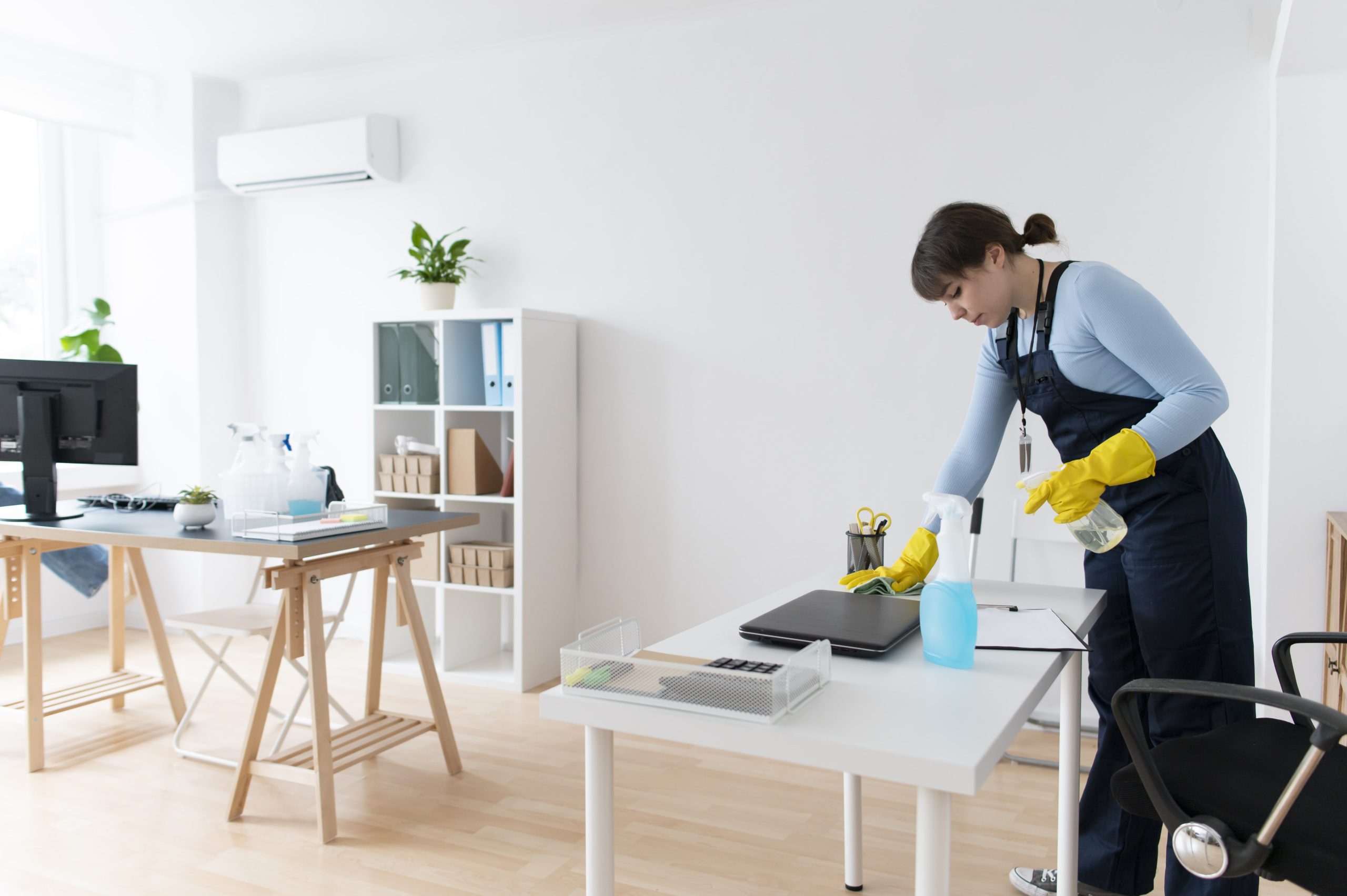
Keeping a home clean can feel like a never-ending task, especially when every room has its own unique challenges. The good news is that a structured, room-by-room approach makes the job far more manageable. Rather than tackling the whole house at once, focusing on one space at a time helps you clean more thoroughly, maintain momentum, and actually enjoy the process. These room-by-room home cleaning tips cover your living room, kitchen, bathroom, and bedroom — with practical methods, natural alternatives, and habits you can realistically stick to.
Table of Contents
ToggleWhy a Room-by-Room Cleaning Approach Works
Cleaning without a plan often leads to half-finished rooms and frustration. A room-by-room method gives you clear start and end points, which makes it easier to measure progress and feel a sense of accomplishment. It also allows you to tailor your tools and techniques to each space rather than using a generic approach across the entire home.
Another benefit is consistency. When you assign specific cleaning tasks to specific rooms on specific days, cleaning becomes a routine rather than a reaction to mess. Over time, this reduces the overall effort needed to keep your home in good shape.
Living Room Cleaning Tips
The living room is often the most-used space in the home, which means it collects dust, clutter, and grime faster than almost anywhere else. A few consistent habits can keep it looking tidy without requiring a major clean every week.
Daily and Weekly Habits
- Declutter before you clean. Remove items that do not belong in the room before vacuuming or dusting. Clutter traps dust and makes surfaces harder to wipe down.
- Dust from top to bottom. Start with ceiling fans, light fittings, and shelving before moving to furniture and finally the floor. This way, dust falls downward and gets captured in the final vacuum pass.
- Vacuum soft furnishings. Sofas, cushions, and rugs hold dust, pet dander, and crumbs. A weekly vacuum of these surfaces makes a significant difference to air quality and appearance.
- Wipe remote controls and light switches. These high-touch surfaces are often overlooked but carry significant bacteria. A quick wipe with a damp microfibre cloth once a week is sufficient.
Bringing Freshness Into the Living Room
Indoor plants can complement your cleaning routine by improving air quality and adding a sense of calm to the room. Common low-maintenance options such as peace lilies or spider plants thrive indoors and are easy to care for. While plants alone are not a substitute for regular cleaning, they contribute to a fresher-feeling space. Position them away from high-traffic areas where they might be knocked over or collect excess dust on their leaves.
If you find that your home needs a deeper clean than your regular routine allows, it may be worth reading about why a clean home genuinely supports a happier household — understanding the broader benefits often provides the motivation to stay consistent.
Kitchen Cleaning Tips
The kitchen is one of the most demanding rooms to keep clean because it combines food preparation, moisture, grease, and high foot traffic. A combination of daily habits and periodic deeper cleans will keep it hygienic and pleasant to use.
Natural Cleaning Solutions for the Kitchen
Many effective kitchen cleaners can be made from ingredients already in your pantry. White vinegar, baking soda, and lemon juice are three of the most versatile natural cleaning agents available.
- White vinegar cuts through grease and mineral deposits on taps and splashbacks. Dilute it 1:1 with water in a spray bottle for general surface cleaning.
- Baking soda is a gentle abrasive that works well on oven interiors, sink stains, and stubborn food residue. Apply it as a paste with a small amount of water, leave it for a few minutes, then scrub and rinse.
- Lemon juice removes stains from cutting boards and brightens grout lines. Half a lemon rubbed directly onto a wooden chopping board also helps neutralise odours.
Daily Kitchen Habits That Prevent Buildup
- Wipe down stovetop surfaces after each use to prevent grease from hardening.
- Empty the sink of dishes before going to bed each night.
- Sweep or spot-clean the floor daily to pick up crumbs before they attract pests.
- Clean the inside of the microwave weekly — a bowl of water with a squeeze of lemon juice, heated for two minutes, loosens splatter so it wipes away easily.
Switching to natural cleaners reduces your exposure to harsh chemicals and is gentler on kitchen surfaces over the long term. If you are a renter and approaching the end of a lease, it is worth noting that kitchen grease buildup is one of the most common reasons bond deductions occur — understanding the benefits of professional bond cleaning services can help you decide whether to tackle it yourself or bring in expert help.
Bathroom Cleaning Tips
Bathrooms require frequent attention because moisture creates an environment where mould, soap scum, and bacteria develop quickly. The goal is to prevent buildup rather than having to remove heavy grime periodically.
Preventing Mould and Soap Scum
- Ventilate after every shower. Open a window or run the exhaust fan for at least ten minutes after bathing to reduce moisture levels and slow mould growth.
- Squeegee shower screens daily. This takes under thirty seconds and dramatically reduces soap scum buildup over time.
- Apply a weekly baking soda and vinegar treatment to the toilet bowl. Add half a cup of baking soda, followed by half a cup of white vinegar, leave for ten minutes, then scrub and flush.
- Wash bath mats regularly. Damp bath mats are a common source of mould and unpleasant odour. Washing them weekly or fortnightly keeps them fresh.
Creating a More Pleasant Bathroom Environment
Scent plays a role in how clean a bathroom feels. A few drops of eucalyptus, tea tree, or lavender essential oil added to your mop water or placed in a small diffuser can make the space feel fresher after cleaning. Tea tree oil in particular has natural antimicrobial properties that make it a useful addition to DIY bathroom sprays. Mix ten drops with water and a small amount of white vinegar in a spray bottle for a simple, effective surface cleaner.
Keeping a small cleaning caddy stocked with your bathroom supplies under the sink means you are always ready for a quick wipe-down without needing to gather tools from another room — removing that barrier makes it far easier to clean as you go.
Bedroom Cleaning Tips
The bedroom should be a restful space, which means clutter and dust can directly affect your sleep quality and sense of calm. A consistent bedroom cleaning routine does not need to be complicated.
Bedding and Soft Furnishings
- Wash bed linen every one to two weeks. Sheets accumulate sweat, skin cells, and dust mites relatively quickly. Hot water washing (where the fabric allows) reduces allergens effectively.
- Vacuum the mattress monthly. Use your vacuum’s upholstery attachment to remove dust and debris from the mattress surface. Sprinkle a thin layer of baking soda before vacuuming to help neutralise odours.
- Rotate your mattress every three to six months to ensure even wear and extend its lifespan.
Reducing Dust in the Bedroom
- Keep surfaces as clear as possible — fewer items on bedside tables and dressers means fewer places for dust to settle.
- Dust blinds and curtains regularly, as these are significant dust traps that are often missed.
- Consider the layout of your room. Furniture arrangement that allows easy access to all areas makes cleaning faster and more thorough. Positioning furniture away from air vents also helps reduce dust accumulation on nearby surfaces.
Creating a Calming Space
The way a bedroom is organised has a measurable effect on how restful it feels. Reducing visible clutter, using calm neutral tones for soft furnishings, and ensuring good ventilation all contribute to a more comfortable sleep environment. These small environmental choices complement your cleaning routine by making the room easier to maintain and more pleasant to spend time in.
If you are looking for professional support to keep your bedroom and the rest of your home consistently clean, exploring Sparkle’s house cleaning services in Perth is a practical starting point for understanding what professional residential cleaning covers.
Making Cleaning Feel Less Like a Chore
One of the most effective ways to maintain a cleaning routine is to make the process itself more engaging. A few simple strategies can change how you approach cleaning day.
- Pair cleaning with something you enjoy. Play a podcast, an audiobook, or a playlist while you clean. This makes the time pass faster and gives you something to look forward to.
- Set a timer. Knowing you are cleaning for a defined period — say, twenty minutes per room — makes the task feel finite and manageable rather than open-ended.
- Incorporate light movement. Cleaning naturally involves physical activity. Treat tasks like mopping, vacuuming, or scrubbing as an opportunity to move your body rather than viewing them as a burden.
- Use tools you actually like. A quality microfibre mop, a comfortable scrubbing brush, or a vacuum with good suction genuinely makes cleaning more efficient and less frustrating.
How Often Should You Clean Each Room?
Frequency varies by room and by how many people live in the home, but the following schedule provides a useful general guide:
- Daily: Kitchen benches, sink, stovetop, bathroom surfaces after use.
- Weekly: Vacuuming all rooms, mopping hard floors, cleaning the toilet and shower, changing bed linen.
- Fortnightly: Wiping down kitchen appliances, washing bath mats, cleaning bathroom mirrors and taps.
- Monthly: Vacuuming the mattress, dusting ceiling fans and light fittings, cleaning inside the oven, wiping down skirting boards.
- Seasonally: Deep cleaning carpets, washing curtains, clearing out wardrobes, cleaning behind and underneath large furniture.
If you ever consider hiring help for any of these tasks — particularly for a periodic deep clean or when moving home — knowing how to choose the right house cleaners in Perth will help you make a confident, informed decision.
Frequently Asked Questions
What is the best order to clean rooms in a house?
A practical order is to start with the rooms that generate the most dust or mess — typically bedrooms — and work toward wet areas like bathrooms and the kitchen last. Always clean from top to bottom within each room so that dust and debris fall to the floor before you vacuum or mop.
How can I keep my kitchen clean naturally without harsh chemicals?
White vinegar, baking soda, and lemon juice cover most kitchen cleaning tasks effectively. White vinegar dissolves grease and mineral deposits, baking soda acts as a gentle abrasive on stubborn stains, and lemon juice removes odours and surface discolouration. A diluted vinegar spray is a good all-purpose kitchen surface cleaner for day-to-day use.
How do I prevent mould in my bathroom?
Ventilation is the most important factor. Always run the exhaust fan or open a window during and after showering. Squeegeeing shower screens and walls after each use removes standing moisture before it contributes to mould growth. Regular weekly cleaning with a mild cleaning solution prevents mould from establishing in grout and silicone seals.
How often should I wash my bedding?
Washing bed linen every one to two weeks is the general recommendation for most households. Pillowcases benefit from more frequent washing — every week is ideal — as they are in direct contact with skin and hair overnight.
When is it worth hiring a professional cleaner instead of doing it myself?
Professional cleaners are particularly useful for periodic deep cleans, end-of-lease cleaning, post-renovation cleaning, or when a regular routine has fallen behind. If you are time-poor or managing a larger home, a professional service can efficiently address areas that are difficult to reach or require specialist equipment.