

How Professional Cleaning Improves Indoor Air Quality in Perth Offices
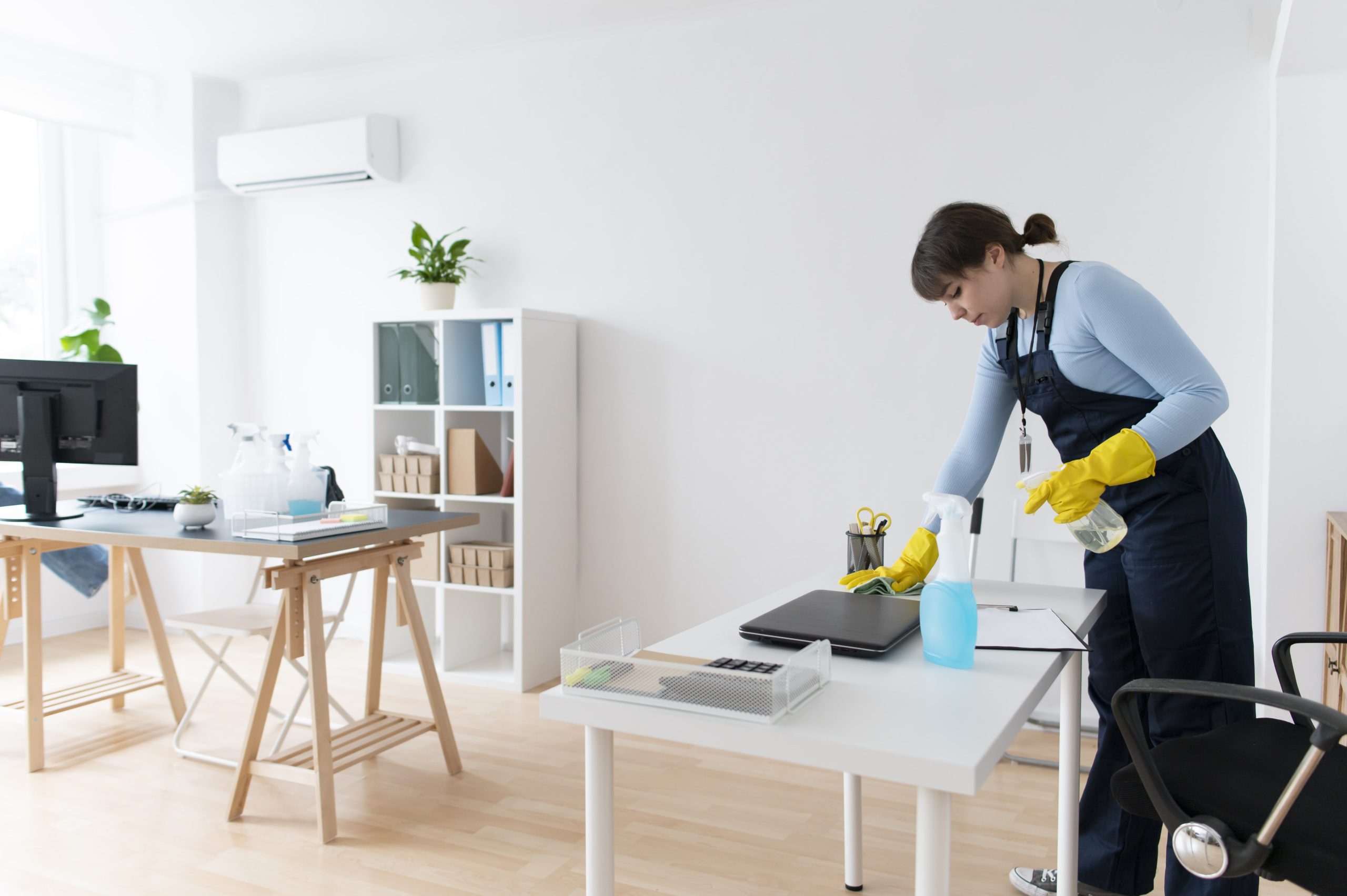
Many businesses focus on visible cleanliness — polished floors, tidy desks, and spotless reception areas. Yet the air employees breathe every day is just as important as the surfaces they can see. Indoor air quality and commercial cleaning in Perth are closely connected: without structured, professional cleaning routines, airborne dust, allergens, bacteria, and chemical residues accumulate steadily inside enclosed workspaces, affecting both employee health and day-to-day performance.
Professional cleaning services go well beyond wiping down surfaces. They target hidden contaminants embedded in carpets, upholstery, ventilation systems, and high-touch areas — contaminants that standard in-house tidying rarely reaches. This article explains why indoor air quality matters in commercial environments, where pollution originates, and how expert cleaning practices address it systematically.
Table of Contents
ToggleWhy Indoor Air Quality Matters in Commercial Spaces
Modern office buildings are designed for energy efficiency, which typically means reduced natural ventilation. Air conditioning systems recirculate indoor air continuously, trapping particulates unless they are actively removed. The result is that pollutants — dust, mould spores, volatile organic compounds (VOCs), and biological contaminants — can reach concentrations far higher indoors than outdoors.
Poor indoor air quality in commercial spaces is associated with a range of employee health concerns, including:
- Increased frequency of respiratory complaints
- Persistent headaches and fatigue
- Eye, nose, and throat irritation
- Reduced concentration and cognitive performance
- Higher rates of sick leave
When employees consistently breathe cleaner air, they experience fewer health disruptions and tend to perform better throughout the working day. Businesses that invest in commercial cleaning and workplace productivity in Perth often observe measurable improvements in staff wellbeing alongside their hygiene standards.
Common Sources of Indoor Air Pollution in Offices
Understanding where pollutants originate is the first step toward effective management. The most significant sources in a typical Perth commercial environment include:
1. Accumulated Dust
Dust is a complex mixture of fine particles, fabric fibres, dead skin cells, pollen, and external debris carried in on clothing and footwear. Without regular removal, these particles settle on surfaces and become airborne again whenever the area is disturbed by foot traffic, air conditioning airflow, or routine movement. Perth’s dry climate and seasonal pollen periods mean external dust loads can be particularly high during certain months, making interior dust management especially important.
2. Carpets and Upholstery
Carpet fibres act as a reservoir for allergens, bacteria, and fine particulates. Standard vacuuming removes visible debris from the surface but often leaves deeper contaminants undisturbed. Over time, these embedded pollutants are released back into the air, especially in high-traffic areas where fibres are compressed and disturbed repeatedly.
3. HVAC and Ventilation Systems
Heating, ventilation, and air conditioning systems distribute air throughout a building. When vents, ducts, and filters are not regularly maintained, they accumulate dust and biological matter that is then redistributed to every room the system serves. A dirty HVAC system can undermine every other cleaning effort in the building.
4. Cleaning Product Residue
Ironically, the products used to clean a space can themselves contribute to indoor air pollution. Many conventional cleaning chemicals release VOCs — gases that linger in the air long after application and can irritate airways, trigger headaches, and contribute to a range of longer-term health concerns with repeated exposure.
5. High-Touch Surfaces
Desks, keyboards, door handles, lift buttons, and shared equipment accumulate germs through regular contact. While these surfaces do not release contaminants directly into the air in the way dust does, pathogens transferred between surfaces and hands can contribute to airborne microbial transmission through coughing and sneezing.
How Expert Cleaning Services Improve Indoor Air Quality
Deep Carpet and Hard Floor Cleaning
Professional-grade vacuum systems equipped with HEPA filtration capture microscopic particles — including fine dust, mould spores, and allergens — that standard domestic or commercial vacuums circulate back into the air. HEPA filters trap particles as small as 0.3 microns, significantly reducing airborne contamination after each cleaning session.
Deep carpet extraction goes further, injecting water and cleaning solution into the pile and then extracting it along with embedded debris. This process removes contaminants that no surface vacuum can reach, preventing them from being re-released into the air over time. Hard flooring is also treated systematically: professional mopping and polishing reduce fine dust that foot traffic would otherwise push back into the breathing zone.
Targeted Dust Management
Expert cleaners work to surfaces and areas that routine cleaning often misses, including:
- Ceiling corners and wall junctions
- Light fittings and pendant fixtures
- Window blinds and internal ledges
- Air vent grilles and return air registers
- Cabinet tops and the backs of shelving units
By eliminating dust at its accumulation points rather than simply relocating it, structured cleaning programmes reduce the total airborne particle load in the workspace over time. This is one of the most direct ways that professional office cleaning in Perth delivers an air quality benefit that in-house tidying cannot replicate.
High-Touch Surface Sanitisation
Frequent disinfection of shared surfaces reduces the presence of bacteria and viruses that contribute to illness transmission. A consistent sanitisation schedule — daily for high-traffic areas, weekly for lower-contact zones — keeps microbial counts at manageable levels and reduces the likelihood of illness circulating through a team. This also lowers absenteeism, which is a tangible operational benefit for any business.
Eco-Friendly Cleaning Practices
Professional cleaning providers increasingly use environmentally responsible cleaning solutions that deliver effective hygiene outcomes without releasing high concentrations of VOCs. Choosing low-VOC or plant-based products means the cleaning process itself does not introduce new chemical pollutants into the indoor environment. This approach supports both employee health and an organisation’s broader sustainability commitments.
The Relationship Between Air Quality and Workplace Productivity
The connection between indoor air quality and employee performance is well-established. Clean air contributes to better cognitive function, improved concentration, and reduced incidence of the fatigue and headaches that drive productivity losses. Conversely, workplaces with poor air quality tend to see higher rates of absenteeism and lower self-reported wellbeing among staff.
For Perth businesses, this relationship has practical implications. Understanding the full range of benefits that professional commercial cleaning delivers — beyond the visible — helps decision-makers appreciate why cleaning is an operational investment rather than a discretionary expense.
Why Professional Commercial Cleaning Delivers Results In-House Cleaning Cannot
In-house cleaning staff typically handle everyday tidying: emptying bins, wiping down obvious surfaces, and basic vacuuming. This is valuable but insufficient for addressing the deeper contamination sources that drive indoor air quality problems. The difference lies in several key areas:
- Specialised equipment: HEPA-filter vacuums, hot-water carpet extractors, and microfibre systems that capture fine particles rather than spreading them
- Structured protocols: Methodical cleaning sequences designed to remove rather than redistribute dust and contaminants
- Trained personnel: Cleaners who understand which surfaces harbour the most risk and how to address them systematically
- Consistent scheduling: Regular service intervals that prevent contaminant buildup rather than responding to it after the fact
- Product knowledge: Selection of cleaning agents suited to each surface and situation, including low-VOC alternatives where appropriate
Businesses that partner with an experienced commercial cleaning provider benefit from this combination of expertise, equipment, and consistency — outcomes that are difficult to replicate with internal resources alone. For further context on what distinguishes professional service delivery, the article on why professional office cleaning services matter for Perth businesses covers this in detail.
Preventative Cleaning for Long-Term Air Quality
Maintaining good indoor air quality is not a one-time intervention — it requires ongoing, preventative action. A structured cleaning programme typically includes:
- Scheduled deep carpet extraction (frequency depends on foot traffic and carpet type)
- Routine dust removal from vents, grilles, and high surfaces
- Consistent sanitisation of shared and high-touch areas
- Regular hard floor cleaning to minimise fine particle resuspension
- Periodic review of cleaning products to ensure low-VOC compliance
Preventative cleaning reduces long-term contaminant buildup and protects both employees and office infrastructure. Carpets that are regularly deep-cleaned last longer; electronics that accumulate less dust run cooler and fail less often; ventilation systems that are kept clear operate more efficiently. The connection between office cleaning practices and building maintenance outcomes in Perth is well worth understanding for facility managers and business owners alike.
Recommended Cleaning Frequency by Space Type
The appropriate cleaning frequency for indoor air quality depends on how a space is used, how many people occupy it, and the nature of the work carried out there. The following general guidance applies to most Perth commercial environments:
- Open-plan offices (high occupancy): Daily surface sanitisation and vacuuming; deep carpet extraction every 3–6 months
- Meeting and boardrooms: Daily surface disinfection; carpet cleaning every 3–6 months or after heavy use
- Kitchens and break rooms: Daily cleaning and sanitisation of all surfaces, appliances, and floors
- Reception and entry areas: Daily cleaning; more frequent attention during high-dust periods or high foot traffic seasons
- Storage and low-traffic areas: Weekly dusting of surfaces and vents; quarterly deep clean
These intervals serve as a starting point. A professional cleaning provider will assess your specific space and recommend a programme aligned with your operational requirements.
Signs Your Office May Have Poor Indoor Air Quality
The following indicators suggest that indoor air quality may have declined to a point where professional intervention is warranted:
- Visible dust accumulation returning quickly after cleaning
- Musty or stale odours, particularly near vents or carpeted areas
- A noticeable increase in allergy complaints among staff
- Employees reporting persistent fatigue, headaches, or eye irritation during work hours that resolves when they leave the building
- Respiratory discomfort that appears to be linked to time spent in the office
If these signs appear regularly, a structured assessment of current cleaning protocols — and a move toward professional commercial cleaning — is likely to produce a meaningful improvement.
The Business Benefits of Cleaner Indoor Air
Improved indoor air quality delivers returns that extend beyond employee comfort:
Reduced Sick Leave
Fewer airborne contaminants and lower microbial surface loads reduce the speed at which illness spreads through a workplace. Even modest reductions in absenteeism represent a tangible saving across a full year.
Extended Asset Lifespan
Dust and particulate matter accelerate wear on carpets, upholstery, electronics, and HVAC components. Regular professional cleaning reduces this wear, extending the useful life of significant assets.
Stronger Professional Image
Clients and visitors who enter a fresh, well-maintained office associate cleanliness with organisational competence and attention to detail — an intangible but real reputational benefit.
Workplace Health and Safety Compliance
Maintaining appropriate hygiene standards is part of an employer’s duty of care obligations under workplace health and safety legislation. Consistent professional cleaning supports compliance and helps demonstrate due diligence.
Perth-Specific Considerations for Indoor Air Quality
Perth’s climate presents specific challenges for indoor air quality management. The dry, warm conditions that characterise much of the year mean external dust loads are higher than in more temperate cities. Seasonal pollen from native vegetation adds a biological component to that dust load. During summer, reduced natural ventilation in climate-controlled offices means contaminants introduced from outside have fewer opportunities to disperse.
These conditions make structured, professional cleaning even more valuable for Perth businesses than the general case would suggest. A cleaning programme designed with local conditions in mind — one that accounts for seasonal variation in dust and pollen levels — will deliver better outcomes than a generic schedule. For businesses considering their options, the guide to efficient office cleaning services in Perth provides useful context on matching service scope to local commercial requirements.
Frequently Asked Questions
Does professional cleaning actually improve indoor air quality, or just surface hygiene?
Professional cleaning addresses both. HEPA-filter vacuuming, deep carpet extraction, targeted dust removal from vents and high surfaces, and the use of low-VOC products all directly reduce the concentrations of airborne particles and chemical gases in a workspace. Surface hygiene and air quality are connected: contaminants on surfaces become airborne when disturbed, so removing them from surfaces also reduces airborne levels.
How often should a Perth office be professionally cleaned to maintain good air quality?
For most commercial environments, daily or several-times-weekly professional cleaning of high-use areas — combined with periodic deep cleaning of carpets and ventilation surfaces — provides the most consistent results. The right frequency depends on occupancy levels, the nature of work carried out, and the building’s ventilation design. A professional assessment of your space is the most reliable way to determine an appropriate schedule.
Are eco-friendly cleaning products as effective as conventional chemicals for improving air quality?
Modern low-VOC and plant-based cleaning products are effective for the vast majority of commercial cleaning tasks. They have the additional benefit of not introducing chemical gases into the indoor environment after application, which directly supports air quality rather than potentially compromising it.
What is HEPA filtration and why does it matter for indoor air quality?
HEPA stands for High-Efficiency Particulate Air. A HEPA filter captures at least 99.97% of airborne particles 0.3 microns in diameter or larger, including fine dust, mould spores, pollen, and many bacteria. Vacuum systems with HEPA filtration prevent fine particles from being exhausted back into the room during cleaning, which is a significant limitation of standard vacuum equipment.
Conclusion: Cleaner Air Is a Measurable Business Advantage
Indoor air quality in commercial environments is shaped directly by the quality and consistency of the cleaning programme in place. Visible cleanliness matters, but the deeper work — HEPA vacuuming, carpet extraction, targeted dust management, eco-friendly product selection, and regular surface sanitisation — is what removes the hidden contaminants that affect how employees feel, think, and perform.
For Perth businesses, the case for investing in professional indoor air quality and commercial cleaning is straightforward: healthier air supports healthier employees, and healthier employees support a more productive, resilient organisation. A structured cleaning programme tailored to your space and local conditions is one of the most practical steps available to any business looking to improve workplace wellbeing from the ground up.