

How to Keep Your Home Free of Mould: Prevention Tips That Work
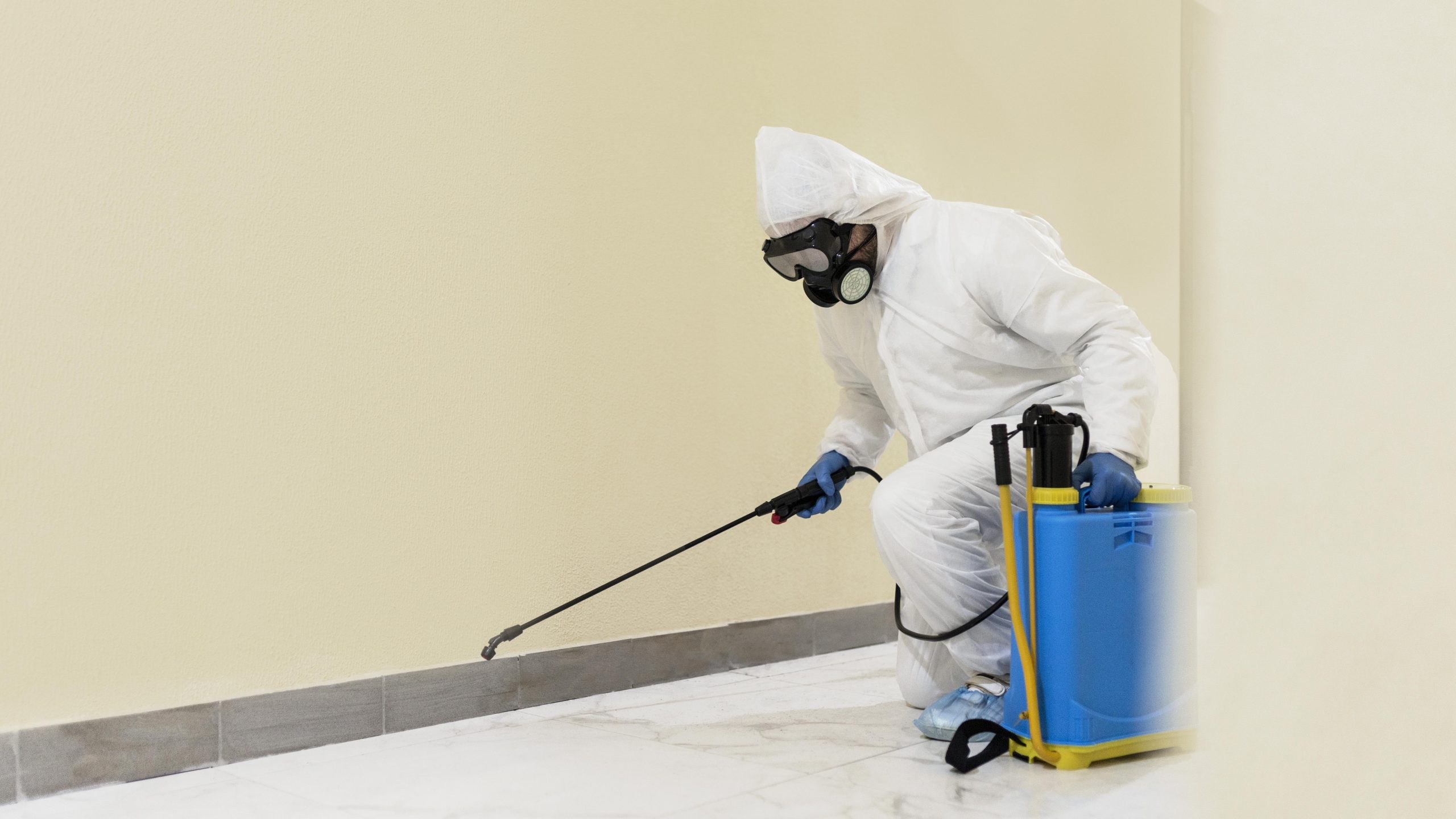
Mould is one of the most common and persistent household problems in Australia. It is a type of fungus that thrives wherever moisture, warmth, and poor airflow combine — and once it takes hold, it can be surprisingly difficult to eliminate completely. Understanding how to keep your home free of mould means addressing the root causes rather than just wiping away what you can see. This guide walks through the practical steps Perth homeowners can take to prevent mould growth, spot early warning signs, and know when to call in professional help.
Table of Contents
ToggleWhat Is Mould and Why Does It Grow Indoors?
Mould reproduces through microscopic spores that float through the air both indoors and outdoors. Spores are harmless in small quantities, but when they land on a damp surface and have access to organic material — such as timber, drywall, carpet, or grout — they begin to colonise. The result is the visible patches of black, green, or white growth that commonly appear in bathrooms, kitchens, laundry rooms, and behind furniture placed against exterior walls.
In Perth and across Western Australia, the combination of hot summers and wetter winter months creates conditions where indoor humidity fluctuates significantly. Properties with poor insulation, single-glazed windows, or older plumbing are particularly susceptible. Condensation on cold surfaces during winter is one of the most common triggers for mould growth that homeowners overlook.
Beyond the cosmetic damage to walls and surfaces, mould can affect indoor air quality. People with respiratory conditions, allergies, or compromised immune systems may notice symptoms such as nasal congestion, coughing, or irritated eyes in mould-affected environments. This makes prevention a genuine health priority, not just a cleaning task.
Fix Leaks and Address Moisture Sources Promptly
Persistent moisture is the single most important factor in mould growth. Even a slow, minor leak under a sink or behind a wall can create the damp conditions that mould needs to establish itself. Regularly inspecting your home for leaks is one of the most effective preventive measures you can take.
Check the following areas at least every few months:
- Under sinks in bathrooms and kitchens — look for water stains, soft cabinetry, or a musty smell
- Around toilets and bath surrounds — deteriorating grout or sealant allows water to seep into the wall cavity
- Roof and ceiling spaces — water stains on ceilings often indicate a slow roof leak that has been present for some time
- Washing machine hoses and connections — these can degrade without obvious external signs
- Garden irrigation systems near the home’s foundations — excess moisture in soil can migrate into wall cavities
When you find a leak, repair it promptly. Tightening fittings, replacing worn washers, and resealing pipe connections are straightforward fixes. For leaks within wall cavities or in roofing, engaging a licensed plumber or builder ensures the problem is correctly resolved rather than masked.
Improve Ventilation Throughout Your Home
Good airflow is one of the most reliable ways to prevent mould from taking hold. Stale, humid air that has nowhere to escape will deposit moisture on cooler surfaces — particularly walls, ceilings, and windows. Improving ventilation does not require expensive renovations; in many cases, small habit changes make a meaningful difference.
Bathrooms and Laundries
These are the highest-humidity rooms in any home. If your bathroom has an exhaust fan, run it during and for at least 15 minutes after showering. If it does not have one, opening a window during and after use is essential. Leaving the bathroom door open after showering also allows moisture to disperse rather than concentrate on walls and ceilings.
Kitchens
Cooking releases significant steam. Use rangehood exhaust fans whenever cooking on the stovetop, and ensure the rangehood vents externally rather than simply recirculating air through a filter. Wiping down benchtops and splashbacks after cooking removes residual moisture that would otherwise sit on surfaces.
Bedrooms and Living Areas
Opening windows for even 10 to 15 minutes each day, when outdoor conditions allow, helps flush out humidity that accumulates overnight or during the day. In cooler months, this is especially important as condensation on single-glazed windows is common. Wiping condensation from window frames and sills each morning prevents it from soaking into timber or drywall.
If your home has persistent humidity problems despite ventilation efforts, a portable dehumidifier can help manage moisture levels in enclosed spaces such as walk-in wardrobes, storage rooms, or below-ground areas.
Keep Surfaces Clean and Dry
Mould cannot establish itself on a surface that is clean, dry, and inhospitable. Regular cleaning of bathrooms, kitchens, and other damp-prone areas disrupts mould growth before it becomes visible. Pay particular attention to grout lines, silicone seals around baths and showers, and the rubber seals inside washing machines — all of which are common early sites for mould colonisation.
For routine cleaning, a mild detergent solution is effective on most hard surfaces. For areas with existing mould spots, a diluted white vinegar solution or a mould-specific cleaner appropriate for the surface type can remove surface growth. Always dry the area thoroughly after cleaning — leaving a damp surface after treatment defeats the purpose.
Do not overlook soft furnishings. Curtains, bath mats, and upholstered furniture near windows or in humid rooms can harbour mould. Washing these items regularly and ensuring they dry fully before returning them to the room is an important part of a whole-home approach.
Engaging Sparkle’s house cleaning Perth services on a regular schedule can help ensure that high-humidity areas receive the thorough attention they need, particularly in larger homes where it is easy for problem spots to go unnoticed.
Seal Gaps, Cracks, and Deteriorating Joints
Small gaps around windows, door frames, skirting boards, and pipe penetrations allow moisture-laden air to enter wall cavities where ventilation is non-existent. Over time, this hidden moisture creates ideal conditions for mould to develop inside walls — often without any visible signs until the problem is well advanced.
Inspect the caulking and sealant around:
- Bath and shower surrounds
- Window frames, particularly on the exterior
- Where tiles meet walls or floors
- Around pipes and fittings where they enter walls
Deteriorating silicone or caulk is easy to identify — it may appear discoloured, cracked, or have begun to pull away from the surface. Removing old sealant and applying fresh, mould-resistant silicone is a straightforward DIY task that provides meaningful protection. Mould-resistant formulations are widely available and are worth the small additional cost in wet areas.
Manage Outdoor Drainage and Airflow Around the Home
The external environment around your home directly influences indoor moisture levels. Poor drainage that allows water to pool near the home’s foundations can cause moisture to wick through walls and flooring. Ensure gutters and downpipes are clear and that water is directed away from the building rather than toward it.
Dense vegetation planted close to exterior walls can also restrict airflow and retain moisture against the building fabric. Trimming back plants and ensuring a reasonable gap between garden beds and walls helps the exterior dry out after rain and reduces the likelihood of moisture penetrating into wall cavities.
Arrange Furniture and Storage to Allow Airflow
One frequently overlooked cause of mould on interior walls is furniture placed directly against them. When a sofa, wardrobe, or bookcase sits flush with an exterior wall, it traps air between the surface and the furniture. That trapped air becomes stagnant and moisture accumulates on the cooler wall surface, creating a hidden mould zone that often goes undetected until the piece is moved.
Wherever possible, leave a gap of at least 5 to 10 centimetres between large furniture and exterior walls. In built-in wardrobes on exterior walls, avoid overpacking items against the back panel and consider a small internal vent or moisture absorber to keep the space dry.
When to Call a Professional Cleaner in Perth
Surface mould on tiles, grout, or window frames is generally manageable with regular household cleaning. However, there are situations where professional cleaning support is appropriate:
- Mould covering a large area — generally considered to be more than a square metre — may indicate a systemic moisture problem that needs both remediation and professional cleaning
- Mould that returns quickly after cleaning is a sign the underlying moisture source has not been resolvedMould in ceiling cavities, inside wall spaces, or beneath flooring requires specialist assessment
- Rental properties at the end of a tenancy where mould is present — landlords and property managers expect a thorough clean, and professional services help ensure bond requirements are met
If you are preparing a rental property for handover, understanding the standard required for end of lease cleaning in Perth can help you avoid disputes over mould-related damage. Professional cleaners familiar with rental property requirements know what property managers look for and can address mould-affected areas to the standard expected at inspection.
Similarly, if keeping up with regular cleaning has become difficult, professional home cleaners in Perth can provide the consistent, thorough cleaning that prevents mould from establishing itself in the first place.
Frequently Asked Questions About Mould Prevention
How do I stop mould from coming back after I clean it?
Mould returns when the underlying moisture problem is not resolved. After cleaning, identify and fix any leaks, improve ventilation in the affected area, and apply a mould-resistant sealant to porous surfaces such as grout. Maintaining lower indoor humidity through ventilation and dehumidification is the most reliable way to prevent recurrence.
Is household mould dangerous to health?
For most healthy adults, occasional exposure to common household mould is unlikely to cause serious harm. However, people with asthma, allergies, or respiratory conditions may experience worsened symptoms. Prolonged exposure in heavily mould-affected environments is not recommended for anyone. Addressing mould promptly is sensible from both a health and a property maintenance perspective.
What is the best way to reduce humidity inside my home?
The most effective methods are improving natural ventilation by opening windows daily, using exhaust fans in bathrooms and kitchens, drying laundry outdoors or in a well-ventilated area rather than indoors, and using a portable dehumidifier in rooms with persistent humidity. Fixing leaks and sealing gaps also reduces the amount of moisture entering the home.
Can I use bleach to remove mould from walls?
Bleach can be effective on non-porous surfaces such as tiles and glass, but it is less effective on porous materials such as grout, unfinished timber, or drywall because it does not penetrate deeply enough to kill mould at the root. White vinegar or purpose-made mould removers may be more effective on porous surfaces. Always test on a small inconspicuous area first, ensure good ventilation when applying any cleaning product, and dry the surface thoroughly afterwards.
Should I be concerned about mould when moving out of a rental?
Yes. Property managers inspect rental properties carefully at the end of a tenancy, and mould in bathrooms, kitchens, or on walls can result in bond deductions if it is considered the result of inadequate cleaning or ventilation. Addressing any visible mould before your final inspection — or arranging a professional clean — is strongly advisable. You can find detailed guidance on what is involved in a thorough bond cleaning service in Perth to understand what is typically expected.
Building a Mould-Free Home: A Consistent Routine
Keeping your home free of mould is less about dramatic interventions and more about consistent, practical habits. Fix leaks when they appear. Ventilate wet areas thoroughly after every use. Clean surfaces regularly and dry them fully. Seal deteriorating joints before moisture finds its way inside. And arrange your home to allow air to circulate freely against walls and in storage spaces.
Perth’s climate means that humidity management is a year-round consideration. The good news is that none of the measures required are complicated or expensive. A well-maintained, well-ventilated home naturally resists mould growth — and where professional support is needed, home cleaning services in Perth provide reliable, consistent help to keep your property in excellent condition throughout the year.