

How to Overcome Cleaning Procrastination and Perfectionism
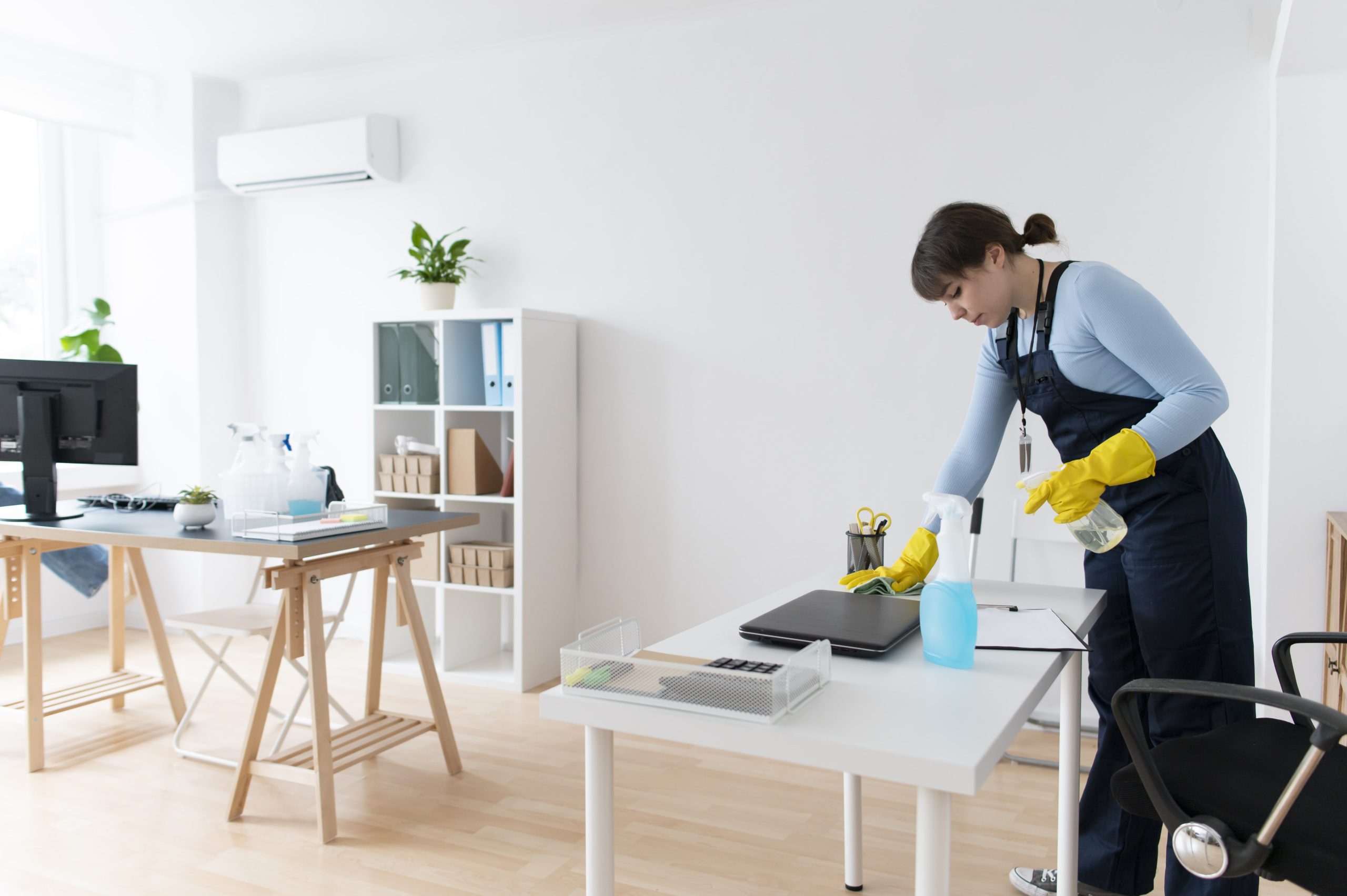
Most people have stood in a messy room, felt the weight of everything that needed doing, and then quietly walked out and made a cup of tea instead. Cleaning procrastination is surprisingly common, and it rarely comes down to laziness. More often, it is a combination of feeling overwhelmed by the scale of the task and a subtle perfectionism that whispers: if you cannot do it properly, why bother starting at all? Understanding how to overcome cleaning procrastination means untangling both of those forces — the paralysis of too much to do, and the pressure of unrealistic standards.
This guide walks through practical, honest strategies for breaking that cycle, building consistent habits, and making peace with a home that is clean enough rather than magazine-perfect.
Table of Contents
ToggleWhy Cleaning Procrastination Happens
Before you can solve a problem, it helps to understand what is actually driving it. Cleaning procrastination usually stems from one or more of the following:
- Task overwhelm: The full scope of cleaning feels too large to tackle, so the mind avoids it entirely.
- Perfectionism: A belief that the job needs to be done completely and flawlessly, or it is not worth doing at all.
- Unclear starting point: Not knowing where to begin creates decision fatigue, which leads to inaction.
- Low energy or motivation: Cleaning feels like a chore with no immediate reward, making it easy to postpone.
- Associating cleaning with failure: Feeling guilty or embarrassed about mess can make it harder to engage with the task at all.
Recognising which of these applies to you is the first step toward a more manageable approach.
Break Tasks Into Smaller, Specific Chunks
One of the most effective ways to overcome cleaning procrastination is to stop thinking of “cleaning the house” as a single task. It is not. It is dozens of smaller tasks that have been grouped together in a way that makes them feel insurmountable.
Instead of writing “clean the house” on your to-do list, break it down by room and by action:
- Wipe down the kitchen benchtops
- Vacuum the living room rug
- Clean the bathroom basin and mirror
- Put away items on the bedroom floor
Each of these tasks takes between two and ten minutes on its own. When you complete one, you get a small sense of accomplishment that makes the next task easier to start. This is sometimes called the two-minute rule: if a cleaning task takes less than two minutes, do it immediately rather than adding it to a mental pile.
Dedicating even five to ten minutes per day to one specific area — rather than waiting for a free afternoon to do everything at once — prevents the build-up that makes cleaning feel overwhelming in the first place.
Let Go of Perfectionism: Good Enough Is Genuinely Good
Perfectionism is one of the quieter drivers of cleaning avoidance. When the internal standard is a spotless, showroom-ready home, any result that falls short of that feels like failure. So the subconscious solution is not to try at all.
The more useful mindset shift is this: a consistently clean enough home is better in every practical sense than an occasionally perfect one. Surfaces that are regularly wiped down but not always gleaming are healthier and more pleasant to live in than surfaces that are ignored for three weeks and then scrubbed intensively.
Set realistic expectations for yourself. A home with people living in it will look like people live in it. That is not a failing. Celebrate the small wins — a cleared kitchen bench, a vacuumed hallway, a bathroom that has been wiped over. Progress matters more than perfection.
Use Time-Blocking to Make Cleaning a Non-Negotiable
One practical way to stop cleaning from sliding to the bottom of the to-do list is to give it a fixed time in your schedule. Time-blocking means treating cleaning the same way you would treat a meeting or an appointment — it happens at a set time, and you do not negotiate it away.
This does not need to be a long block. Even three fifteen-minute cleaning sessions spread across a week can maintain a noticeably cleaner home than doing nothing until a crisis forces action. Some people find it useful to attach cleaning tasks to existing daily routines:
- Wipe the kitchen bench after making breakfast
- Tidy the living room before sitting down in the evening
- Clean the bathroom basin while waiting for the shower to warm up
Attaching a new behaviour to an existing habit — a technique sometimes called habit stacking — reduces the mental effort of remembering to do it and lowers the threshold for getting started.
Create an Environment That Makes Cleaning Easier to Start
The environment around you significantly influences how easy or hard it is to act. If your cleaning supplies are stored inconveniently, or if every cleaning session requires twenty minutes of preparation before you can actually clean anything, the barrier to starting is higher than it needs to be.
Some practical adjustments:
- Keep frequently used cleaning products accessible — a caddy under the sink or in the bathroom cupboard rather than locked in a garage.
- Have a microfibre cloth within easy reach in the kitchen so wiping down surfaces becomes a thirty-second act rather than a production.
- Keep a small bin in every room to reduce the friction of throwing things away.
Music is also genuinely useful here. Putting on a playlist you enjoy can shift the emotional tone of cleaning from obligation to something more tolerable — or even enjoyable. The task does not change, but your experience of it does. Some people find podcasts or audiobooks work equally well, turning a cleaning session into time that feels productive in more than one way.
Prioritise by Impact: Which Areas Matter Most?
Not all areas of a home have equal impact on how clean and liveable it feels. If your time and energy are limited, it is worth knowing which tasks deliver the most noticeable result for the least effort.
Generally, the highest-impact areas are:
- Kitchen surfaces and sink: A clean kitchen bench makes the entire kitchen feel under control.
- Bathroom basin and toilet: These are high-touch areas where cleanliness directly affects hygiene.
- Floors in main living areas: Vacuumed or mopped floors create an immediate sense of order.
- Visible clutter: Putting items back in their place has a disproportionately large effect on how tidy a room feels.
Focusing on these areas when time is short means your home looks and feels clean even if some less-visible areas are waiting for a weekend deep clean.
Recognise When Professional Help Makes Sense
There are situations where cleaning procrastination has less to do with mindset and more to do with the realistic demands on your time. If work, family commitments, or health make it genuinely difficult to keep up with household cleaning, that is a practical problem with a practical solution.
Professional home cleaning services can take the pressure off entirely, either as a regular arrangement or for periodic deep cleans. If you are based in Perth and want to understand your options, the complete guide to house cleaning in Perth covers service types, what to expect, and how to choose a cleaner that suits your household. For households where keeping up with everything has become genuinely unmanageable, the key benefits of hiring professional home cleaners in Perth explains what that kind of support actually involves.
Similarly, for businesses where cleaning has fallen behind, it is worth reviewing whether the current approach is working. There are clear signs your office needs professional cleaning that can help you decide whether a more structured solution is needed.
Stay Consistent Rather Than Chasing Perfect Sessions
The single most useful shift in how to overcome cleaning procrastination is this: consistency beats intensity. A home that receives a small amount of attention every day or every couple of days stays in a much better state than one that is ignored for a fortnight and then subjected to a frantic four-hour clean.
Consistency also builds momentum. Once a regular cleaning habit is established, it requires far less willpower to maintain than it did to start. The home stays at a baseline that is easy to top up, rather than declining to a point where starting again feels impossible.
Be patient with yourself during the building phase. Missing a day or two does not undo progress. The goal is not to be perfect — it is to keep moving in the right direction.
Frequently Asked Questions
Why do I keep putting off cleaning even when it bothers me?
Cleaning procrastination often persists because the task feels larger or more unpleasant than it actually is. The discomfort of anticipating the task can outweigh the discomfort of the mess itself — at least until the mess becomes significant enough to create its own stress. Breaking tasks into very small steps and lowering the barrier to starting (having supplies ready, committing to just five minutes) can help interrupt this pattern.
How do I stop feeling overwhelmed before I even begin?
Choose one single, specific task rather than thinking about everything that needs doing. Tell yourself you are only going to wipe the kitchen bench — not clean the whole kitchen, not the whole house. Once you start, momentum often carries you further than you planned. But even if it does not, one completed task is better than none.
Is it normal for a home to never look perfectly clean?
Completely normal. Homes that are lived in will accumulate dust, dishes, and clutter as a natural consequence of daily life. The goal of regular cleaning is to manage that accumulation, not to achieve a static, perfect result. Setting realistic expectations significantly reduces the anxiety that drives procrastination.
How long does it take to build a consistent cleaning habit?
Habit formation varies between individuals, but research in behavioural psychology suggests new habits typically take several weeks of consistent repetition to feel automatic. Starting with very small, low-effort tasks makes it easier to maintain consistency during that initial period.
When should I consider hiring a professional cleaner instead?
If your schedule genuinely does not allow for adequate cleaning, or if the home has reached a state where a thorough reset is needed, professional cleaning is a practical option rather than a last resort. Regular professional cleans can also make it much easier to maintain a clean home between visits. Sparkle’s house cleaning services in Perth are available for households that want reliable, consistent support.