

Floor Cleaning Techniques for Different Floor Types: A Complete Guide
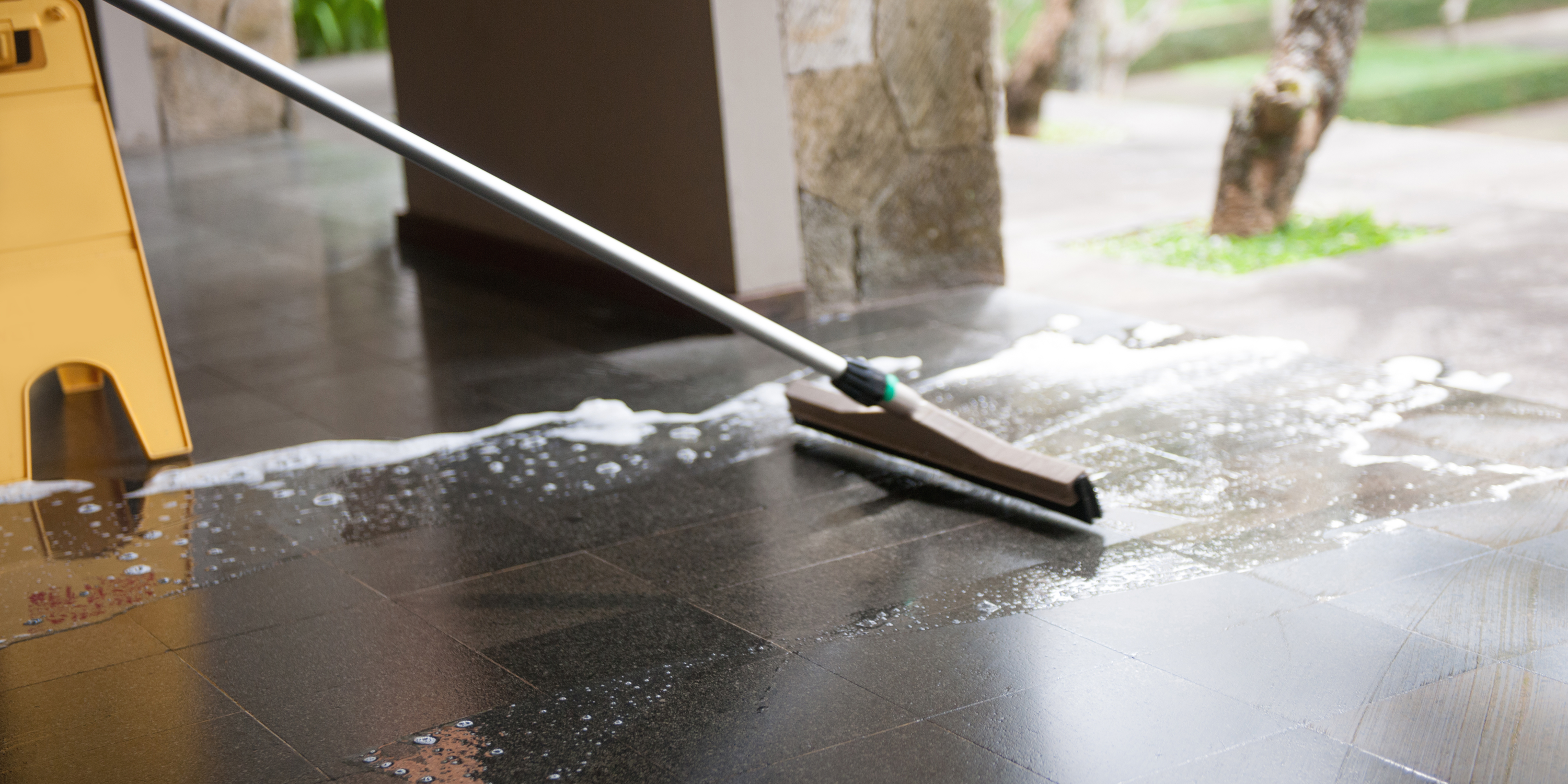
Choosing the right floor cleaning techniques for different floor types is one of the most practical things you can do to protect your floors and extend their lifespan. Whether you manage a home, an office, or a commercial space in Perth, each flooring surface responds differently to cleaning products, moisture, and tools. Using the wrong method on the wrong surface can cause scratches, warping, discolouration, or irreversible damage. This guide walks through the correct cleaning, stain removal, and maintenance approaches for hardwood, laminate, tile, and carpeted floors, so you can keep every surface looking its best for years to come.
Table of Contents
ToggleHardwood Floors
Hardwood floors are valued for their warmth, natural character, and longevity. They are a popular choice across both residential and commercial settings. Because wood is a natural material that responds to moisture and abrasion, hardwood floors require a careful, consistent cleaning routine to preserve their finish and structural integrity.
What are the best ways to clean hardwood floors?
The most important rule for cleaning hardwood floors is to control moisture. Water is wood’s primary enemy, so your cleaning routine should minimise how much liquid contacts the surface.
- Sweep or vacuum daily or as needed. Use a soft-bristle broom or a vacuum fitted with a soft brush attachment to remove loose dirt, dust, and grit. Hard particles left on the surface act like sandpaper underfoot and gradually scratch the finish.
- Mop with a damp, not wet, mop. When deeper cleaning is required, use a microfibre mop lightly dampened with a hardwood-specific floor cleaner. Wring out the mop thoroughly so that it leaves virtually no standing water on the boards.
- Dry promptly. After mopping, allow the floor to air-dry quickly. Open windows or use a fan if moisture lingers, especially in cooler months.
- Use only cleaners formulated for hardwood. General-purpose household cleaners, vinegar solutions, or soap-based products can strip the finish or leave a residue that dulls the surface over time.
How do you remove stains from hardwood floors?
Stain removal on hardwood requires a measured, cautious approach. Acting quickly matters — the longer a spill sits, the deeper it penetrates the wood grain and finish.
- Identify the stain type. Water-based spills such as juice or coffee, oil-based marks, and pet accidents each respond to different removal methods.
- Start with the gentlest method. For light surface marks, apply a small amount of hardwood floor cleaner to a soft cloth and rub gently in the direction of the grain.
- Use a specialist stain remover for stubborn marks. Products specifically formulated for hardwood stain removal are available at hardware and flooring retailers. Always follow the manufacturer’s instructions and test in a hidden area first to confirm compatibility with your floor’s finish.
- Avoid harsh scrubbing. Steel wool, abrasive pads, or excessive pressure can remove the protective finish and expose raw wood.
Preventing stains through prompt clean-up of spills is far easier than removing set-in marks. Placing mats at entry points also reduces the volume of dirt and moisture tracked onto the boards.
How should hardwood floors be maintained long-term?
Consistent maintenance habits make a noticeable difference in how hardwood floors age.
- Use felt pads under furniture legs to prevent scratching when chairs and tables are moved.
- Avoid walking on hardwood in high heels or hard-soled shoes that concentrate weight on small points.
- Keep indoor humidity relatively stable. Hardwood expands and contracts with humidity changes, and extremes can cause boards to crack or cup.
- Recoat or refinish the floor when the protective layer shows signs of wear, typically every few years depending on traffic levels.
Laminate Floors
Laminate flooring is a practical and cost-effective alternative to hardwood. It consists of a photographic layer beneath a hard protective coating, making it more resistant to surface scratches than solid wood. However, laminate’s construction means it is particularly vulnerable to moisture penetrating its seams, which can cause the boards to swell, buckle, or delaminate.
How should laminate floors be cleaned?
The cleaning approach for laminate shares some similarities with hardwood but requires additional attention to moisture control at the edges and joints.
- Sweep or vacuum regularly. Use a soft brush attachment to collect dust and grit before it accumulates. Avoid vacuum beater bars on laminate as they can scuff the surface.
- Damp-mop with a laminate-specific cleaner. Wring the mop out until it is only slightly damp. Never flood the floor with water or allow pooling liquid near the seams.
- Dry the floor after mopping. If any moisture remains near joints, dry it with a clean cloth immediately.
- Clean up spills immediately. Even small amounts of liquid left standing on laminate seams over time can cause permanent swelling.
How do you remove scuff marks from laminate floors?
Scuff marks are among the most common laminate maintenance issues, particularly in high-traffic areas. The most effective approach is to use a melamine foam eraser, commonly sold as a “magic eraser”. Dampen it slightly and rub the scuff mark gently using light, circular pressure. Because the eraser is mildly abrasive, use the minimum pressure needed and avoid prolonged rubbing in one spot, which can dull the surface finish.
For minor marks, a small amount of laminate floor cleaner applied to a soft cloth and rubbed gently over the area will often be sufficient.
What should be avoided when cleaning laminate floors?
Several common cleaning habits cause damage to laminate that is difficult or impossible to reverse:
- Steam mops. The high heat and steam force moisture deep into seams and beneath boards, causing irreversible swelling and warping.
- Abrasive scrubbers or steel wool. These scratch through the protective coating, leaving the photographic layer exposed and vulnerable.
- Wax or polish products. Laminate does not benefit from waxing. These products leave a filmy residue that dulls the surface and attracts dirt.
- Highly alkaline or acidic cleaners. Strong bleach solutions or acidic products can discolour the laminate surface or break down the protective layer.
Tile Floors
Tile floors are found in kitchens, bathrooms, commercial lobbies, and outdoor areas. They are durable and water-resistant, but they require consistent cleaning to prevent grout lines from staining and tiles from losing their sheen. The material of the tile — whether ceramic, porcelain, natural stone, or terracotta — influences which cleaning products are safe to use.
What are the right cleaning methods for tile floors?
- Sweep or vacuum first. Removing loose grit before mopping prevents it from being dragged across the tile surface and scratching the glaze. Use a soft brush attachment and pay attention to grout lines where debris collects.
- Mop with an appropriate tile cleaner. Most ceramic and porcelain tiles tolerate pH-neutral tile cleaners well. Natural stone tiles such as marble or travertine are sensitive to acidic cleaners — avoid vinegar or citrus-based products on these surfaces as they etch the stone.
- Rinse the floor after mopping. Cleaning product residue left on tiles can attract dirt, leading to a dull or streaky appearance. A second pass with clean water removes residue effectively.
- Dry the surface. Particularly in lower-traffic areas, drying tiles with a clean mop or cloth prevents water spots and limescale deposits, especially in hard-water regions.
How do you remove grout stains from tile floors?
Grout is porous and absorbs spills, cleaning products, and biological matter over time, making it one of the most challenging surfaces to keep clean on tiled floors.
- Try a baking soda paste first. Mix baking soda and water into a thick paste, apply it to the stained grout lines, and leave it to sit for ten to fifteen minutes. Scrub with a stiff-bristled grout brush, then rinse clean. This approach works well for general discolouration and light mould.
- Use a dedicated grout cleaner for heavier staining. Oxygenated grout cleaners are effective for stubborn staining without the harshness of bleach. Follow the product instructions and ensure adequate ventilation.
- Apply grout sealer after cleaning. Once grout is clean, sealing it creates a barrier that slows future absorption of stains and makes routine cleaning more effective.
- Avoid wire brushes or metal scrubbing tools. These scratch and erode grout, widening the lines and making future staining worse.
How should tile floors be maintained over time?
- Mop tile floors at least weekly in kitchen and bathroom areas, and more frequently in commercial settings with heavy foot traffic.
- Reseal grout every twelve to eighteen months, or sooner if water no longer beads on the surface.
- Address cracked grout promptly. Gaps allow water to penetrate beneath the tile and damage the substrate, leading to expensive repairs.
- Use non-abrasive cleaning pads when scrubbing tiles by hand to avoid scratching glazed or polished surfaces.
If you are responsible for multiple surface types across a commercial or residential property, it is worth understanding surface-specific care more broadly. For instance, the same careful approach that applies to tile extends to other hard surfaces — our guide on how to clean different types of countertops covers similar material-specific considerations for granite, marble, quartz, and stainless steel.
Carpeted Floors
Carpeted floors add warmth, sound insulation, and comfort to a room, but they require more regular attention than hard surfaces because fibres trap dust, allergens, pet hair, and spills deep within the pile. The type of carpet — plush, Berber, loop-pile, or cut-pile — affects how aggressively it can be cleaned without damaging the fibres or backing.
What are the best carpet cleaning techniques?
- Vacuum at least weekly. Use a quality vacuum with a rotating brush or beater bar to lift embedded dirt from deep within the fibres. In high-traffic areas, vacuum two to three times per week. Run the vacuum slowly enough for the suction to work effectively — rushing reduces the amount of debris extracted.
- Use dry carpet powder for light freshening. Sprinkle a dry carpet deodoriser or bicarbonate of soda over the carpet, leave for fifteen to twenty minutes, then vacuum thoroughly. This absorbs odours and light surface soiling without introducing moisture.
- Hot water extraction (steam cleaning) for deep cleaning. Hot water extraction, often referred to as steam cleaning, is widely regarded as the most effective deep-cleaning method for carpet. It injects hot water and cleaning solution into the pile under pressure, then extracts it along with dissolved dirt and allergens. Most carpets benefit from professional hot water extraction every six to twelve months depending on use.
- Dry compound cleaning for moisture-sensitive areas. Where minimal drying time is required, dry compound cleaning involves working an absorbent cleaning powder through the carpet pile with a machine brush, then vacuuming it out. It is less effective for deeply soiled carpets but useful in commercial settings where the area cannot be closed for drying.
How do you remove stains from carpets?
Speed is the most important factor in successful carpet stain removal. The faster you respond to a spill, the less likely it is to set permanently into the fibres.
- Blot immediately, do not rub. Use a clean white cloth or paper towels to blot excess liquid from the outside of the stain inward, preventing it from spreading. Rubbing spreads the stain and pushes it deeper into the pile.
- Identify the stain type. Water-based stains (juice, coffee, mud), oil-based stains (grease, makeup), and protein-based stains (blood, dairy) respond to different removal agents. Using the wrong product can set a stain permanently.
- Apply an appropriate stain remover. For water-based stains, a mild carpet cleaner or a diluted solution of washing-up liquid in cold water is often effective. For oil-based stains, a dry-cleaning solvent works better. For protein stains, use cold water rather than hot, as heat denatures protein and bonds it to fibres.
- Test in a hidden area first. Before applying any cleaning product to a visible carpet area, test it on a concealed spot — such as inside a wardrobe — to confirm it does not bleach or discolour the fibres.
- Rinse and blot dry. After treating the stain, blot with clean water to remove product residue, then press dry towels firmly into the area and allow to dry completely before walking on it.
What are the best maintenance habits for carpeted floors?
- Place entrance mats at all doorways to catch dirt and moisture before it reaches carpeted areas.
- Implement a no-shoes policy in carpeted rooms where practical.
- Rotate furniture periodically to distribute wear patterns and prevent permanent indentations in the pile.
- Address stains immediately — allowing them to dry and set makes removal significantly harder.
- Schedule professional deep cleaning regularly, particularly in high-traffic commercial environments. For properties requiring consistent, professional-grade carpet care across multiple areas, the range of commercial cleaning services available in Perth includes specialist carpet cleaning options suited to office, retail, and public-building environments.
Choosing the Right Tools and Products for Each Floor Type
Having the correct tools on hand simplifies the process of applying the right floor cleaning techniques for different floor types and reduces the risk of accidental damage.
| Floor Type | Recommended Tools | Cleaning Products | Key Avoidances |
|---|---|---|---|
| Hardwood | Microfibre mop, soft-bristle broom, vacuum with soft brush | pH-neutral hardwood floor cleaner | Excess water, steam mops, vinegar, wax |
| Laminate | Microfibre mop, soft brush vacuum, melamine eraser | Laminate-specific floor cleaner | Steam mops, abrasive scrubbers, wax, bleach |
| Tile (ceramic/porcelain) | Soft brush vacuum, flat mop, grout brush | pH-neutral tile cleaner, baking soda paste for grout | Acidic cleaners on natural stone, wire brushes on grout |
| Carpet | Rotating brush vacuum, carpet stain remover, extraction machine | Carpet stain remover matched to stain type | Rubbing stains, hot water on protein stains, over-wetting |
When to Call a Professional Cleaner
Routine maintenance can be handled in-house for most floor types, but there are situations where professional cleaning delivers results that DIY methods cannot achieve. Deeply ingrained carpet soiling, heavily stained grout across large tile areas, and hardwood floors requiring refinishing are all scenarios where specialist equipment and expertise make a meaningful difference.
Commercial environments face additional challenges. Warehouses, gyms, schools, and office buildings experience foot traffic volumes and contamination types that domestic cleaning routines are not designed to handle. For gym operators in particular, floor hygiene extends beyond appearance — it is a hygiene and safety consideration. The approach to commercial gym cleaning in Perth addresses these specific challenges, including the cleaning of rubber, vinyl, and hardwood sports floors that require different treatment from standard residential surfaces.
Similarly, Perth homeowners who find that regular cleaning is insufficient to keep floors looking their best — whether due to time constraints or particularly demanding conditions — may benefit from scheduled professional home cleaning that includes floor care as part of a broader maintenance programme. Understanding home cleaning services in Perth can help you decide whether a regular professional clean is the right investment for your household.
Frequently Asked Questions
Can I use the same mop on all floor types?
A microfibre flat mop can work across hardwood, laminate, and tile when correctly prepared — damp for hard floors, and not used on carpet. However, always use separate mop heads or thoroughly rinse between floor types to avoid transferring product residues. A mop that has been used with a tile cleaner should not be used on hardwood without rinsing, as the product formulation may not be compatible.
How often should different floor types be cleaned?
Hardwood and laminate floors in residential settings benefit from sweeping daily and mopping weekly or fortnightly. Tile floors in kitchens and bathrooms should be mopped at least weekly. Carpets should be vacuumed at least once a week and professionally deep-cleaned every six to twelve months. Commercial spaces with high foot traffic require more frequent cleaning across all floor types.
Is vinegar safe to use on floors?
Vinegar is acidic and should be avoided on hardwood, laminate, and natural stone tile floors, as it can etch finishes or dull surfaces over time. While diluted vinegar is sometimes suggested for ceramic tile, it risks damaging grout with repeated use. Floor-specific pH-neutral cleaners are a safer and more effective choice for routine maintenance.
What is the difference between steam cleaning and hot water extraction for carpets?
These terms are often used interchangeably, but they refer to slightly different methods. True steam cleaning applies steam vapour to the carpet, while hot water extraction — the more common commercial method — injects a hot water and cleaning solution mixture into the pile under pressure and immediately extracts it with strong suction. Hot water extraction is generally more effective at removing deeply embedded soil and is widely recommended by carpet manufacturers for periodic deep cleaning.
Conclusion
Every floor type has its own characteristics, vulnerabilities, and ideal cleaning approach. Hardwood floors need moisture control and gentle, wood-specific cleaners. Laminate shares that moisture sensitivity but adds a particular intolerance for steam and abrasive tools. Tile floors are durable but require grout attention and surface-appropriate products — especially when natural stone is involved. Carpeted floors demand regular vacuuming, fast stain response, and periodic professional deep cleaning to stay hygienic and presentable.
By matching your cleaning methods and products to your specific floor type, you protect your investment, maintain the appearance of your space, and avoid the costly repairs that result from using the wrong approach. Always refer to the manufacturer’s care instructions for your particular flooring product, and consider professional cleaning when the scale, condition, or type of floor exceeds what routine maintenance can address.