

Important Office Areas to Clean in Perth Workplaces
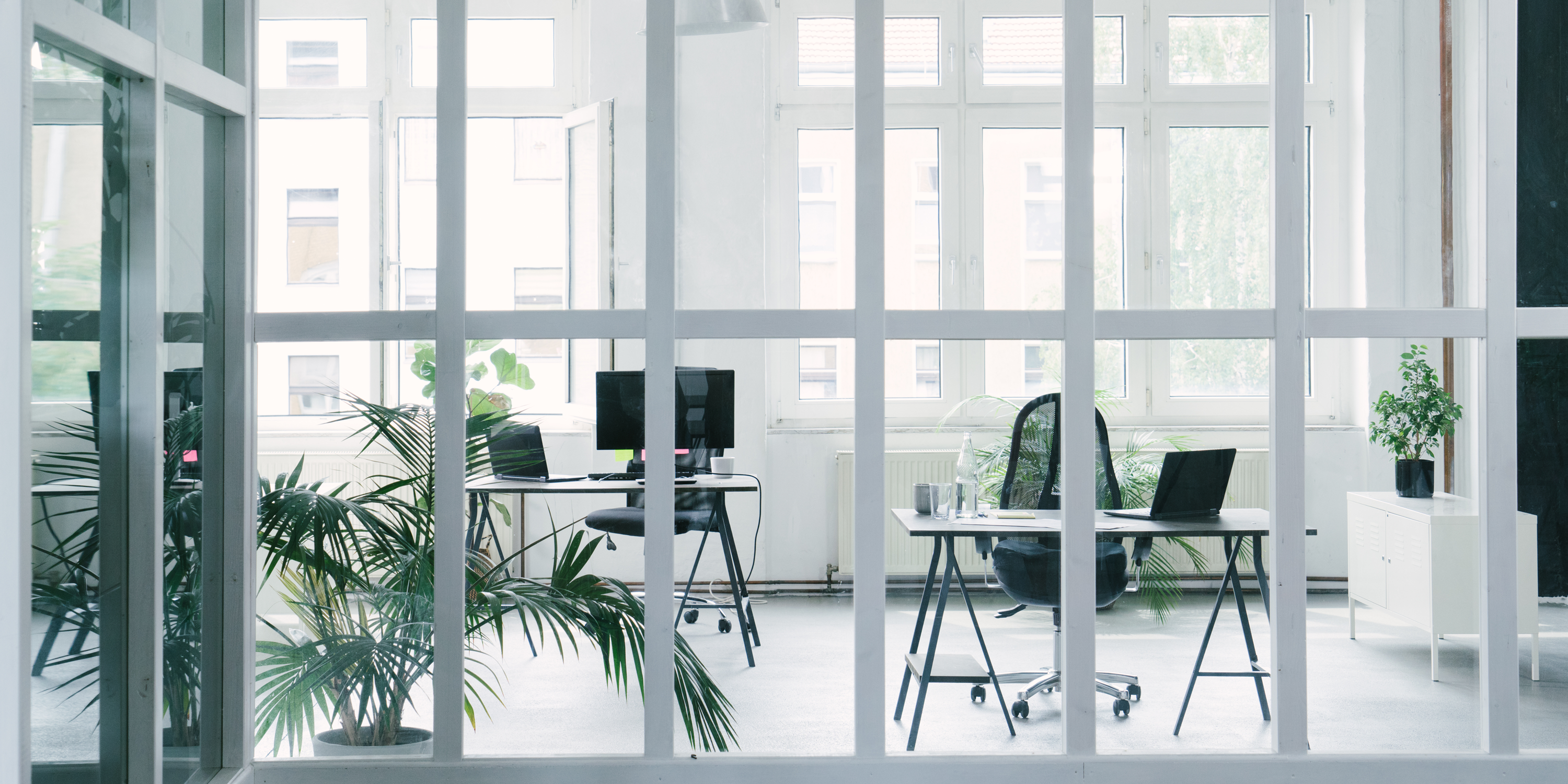
Maintaining a clean office environment is about more than appearances. In Perth workplaces, consistent cleaning of the right areas directly supports employee health, reduces the spread of illness, and creates a professional impression for clients and visitors alike. Yet many office cleaning routines miss high-impact zones or treat every area with the same level of attention regardless of how heavily it is used.
This guide covers the most important office areas to clean, explains why each one matters, and provides practical checklists and recommended cleaning frequencies to help Perth businesses maintain genuinely hygienic workplaces. Understanding the commercial cleaning workspace benefits Perth businesses rely on starts with knowing where cleaning effort has the greatest impact.
Table of Contents
ToggleWhy Targeted Office Cleaning Matters
Not all office spaces accumulate dirt, bacteria, or clutter at the same rate. High-traffic zones such as reception areas and restrooms require daily attention, while lower-traffic areas like storage rooms or private offices may only need weekly maintenance. Applying a structured, zone-based approach means cleaning effort is directed where it delivers the most benefit — both for hygiene and for the overall presentation of your business.
Australian workplaces have a duty of care to maintain safe and healthy environments. Safe Work Australia’s guidance on workplace health emphasises that employers should proactively manage risks, including those related to hygiene and cleanliness. A well-planned cleaning schedule is one of the most straightforward ways to meet this obligation.
1. Reception Area
The reception area is the first space clients, job candidates, and visitors encounter. Its condition immediately shapes how people perceive your business. A cluttered or dusty reception signals poor organisation; a clean, well-maintained entrance communicates professionalism and attention to detail.
What to focus on
- Reception desk: Wipe down the entire surface daily, including the front panel that visitors touch. Sanitise the phone handset, keyboard, and any shared pens or sign-in materials.
- Seating areas: Vacuum upholstered chairs or wipe hard-surface seats daily. Check for debris under and between seats.
- Glass panels and entry doors: Clean fingerprints and smudges from glass surfaces daily — these are highly visible and accumulate quickly.
- Floor surfaces: Vacuum or mop daily, paying particular attention to the entry mat, which traps dirt brought in from outside.
- Decorative features and signage: Dust weekly to prevent build-up on surfaces that are often overlooked.
Recommended frequency
Daily: Desk wipe-down, glass cleaning, floor cleaning, sanitising shared touchpoints. Weekly: Deep dusting of décor, thorough vacuuming of upholstered furniture.
2. Workstations and Desks
Workstations are where employees spend the majority of their day. Studies on office hygiene have consistently found that keyboards, mice, and desk phones harbour significantly more bacteria per square centimetre than many other surfaces in a typical office. Regular cleaning of these zones reduces the spread of illness and supports employee wellbeing.
What to focus on
- Desk surfaces: Clear and wipe down daily using a surface-safe disinfectant. Avoid harsh chemicals that could damage screens or equipment coatings.
- Keyboards and mice: Use compressed air to dislodge debris from between keys; wipe peripherals with an alcohol-based wipe suitable for electronics.
- Monitors: Use a dry microfibre cloth for screens; avoid spraying liquid directly onto the display.
- Phone handsets: Sanitise the mouthpiece, earpiece, and keypad daily — these are among the most touched surfaces in any office.
- Drawer handles and chair armrests: Wipe weekly; these are frequently touched but often missed in daily routines.
Recommended frequency
Daily: Desk surface wipe-down, keyboard and mouse sanitisation, phone handset cleaning. Weekly: Thorough dusting under and around equipment, chair cleaning, drawer handle sanitisation.
For businesses managing large open-plan offices or hot-desking environments, the cleaning demand increases significantly. In these settings, surfaces should be sanitised between users as well as at the end of each day.
3. Restrooms
Office restrooms require the most rigorous cleaning standard of any area in the workplace. They are high-touch, high-traffic environments where bacterial and viral contamination can spread rapidly if hygiene is not maintained consistently. In a commercial setting, restroom cleanliness is also a legal requirement under workplace health and safety legislation.
What to focus on
- Toilet bowls, seats, and cisterns: Disinfect thoroughly at least once daily, more frequently in busy offices.
- Basins and taps: Scrub and sanitise daily; limescale build-up should be treated weekly.
- Door handles and lock mechanisms: These are among the most contaminated surfaces in any building — sanitise multiple times per day if possible.
- Mirrors: Clean daily to remove water spots and smudges.
- Floors: Mop with a disinfectant solution daily; pay attention to the area around toilet bases.
- Supplies: Restock hand soap, paper towels, and toilet paper daily. Running out of soap in particular undermines hand hygiene and reflects poorly on the business.
- Ventilation: Ensure exhaust fans are clear and operating. Clean fan covers monthly to prevent dust build-up that reduces airflow.
Recommended frequency
Daily (minimum): All surfaces, floors, and supply restocking. Weekly: Deep scrub of grout lines, descaling of taps and basins. Monthly: Ventilation fan covers, behind fixtures, and thorough grout treatment.
4. Breakroom and Kitchenette
The office breakroom and kitchenette are shared spaces where food is prepared and consumed. This makes them particularly susceptible to bacterial contamination, unpleasant odours, and pest attraction if not cleaned consistently. A clean, well-maintained breakroom also contributes to employee satisfaction — it signals that the organisation values staff wellbeing.
What to focus on
- Benchtops and sinks: Wipe down and sanitise after each use period (morning, lunch, and afternoon). Remove food debris immediately.
- Appliances: Wipe the outside of the microwave, kettle, toaster, and coffee machine daily. Clean the interior of the microwave daily; deep-clean other appliances weekly.
- Refrigerator: Clear out expired or unlabelled food weekly. Wipe shelves and door seals fortnightly. Defrost and deep-clean monthly.
- Dishwasher or dish rack: Run the dishwasher daily or wash up dishes promptly. Clean the dishwasher filter weekly.
- Rubbish bins: Empty and reline daily. Wipe the inside of the bin and lid weekly to prevent odour build-up.
- Floor: Sweep or vacuum and mop daily — food crumbs attract pests quickly.
Recommended frequency
Daily: Benchtop sanitisation, appliance wipe-down, bin emptying, floor cleaning. Weekly: Refrigerator clear-out, deep appliance cleaning, bin sanitisation. Monthly: Full refrigerator clean, exhaust filter cleaning.
5. Common Areas and Hallways
Corridors, meeting rooms, stairwells, and shared collaborative spaces connect the rest of the office and are used throughout the day by everyone in the building. Their cleanliness contributes directly to the overall impression of the workspace — both for employees and for visiting clients.
What to focus on
- Floors: Vacuum carpeted hallways daily; mop hard floors daily or as needed. High-traffic corridors accumulate dirt quickly, particularly in Perth’s dustier months.
- Light switches and door handles: Sanitise daily — these surfaces are touched constantly and are common transmission points for illness.
- Meeting room tables and chairs: Wipe down surfaces after each meeting. Sanitise shared AV equipment such as remote controls and presentation pointers.
- Whiteboards: Clean thoroughly after use. Residue left on whiteboards is harder to remove the longer it sits.
- Windows and sills: Dust sills weekly; clean interior glass fortnightly or as smudges accumulate.
- Clutter management: Ensure corridors remain clear of boxes, equipment, or personal items, both for cleanliness and for workplace safety compliance.
Recommended frequency
Daily: Floor cleaning, touchpoint sanitisation, meeting room turnaround. Weekly: Window sill dusting, thorough vacuuming behind furniture. Fortnightly: Interior glass cleaning, detailed wipe-down of wall surfaces near high-traffic areas.
Cleaning Frequency Summary Table
| Office Area | Daily | Weekly | Monthly |
|---|---|---|---|
| Reception | Desk, glass, floors, touchpoints | Deep dust, upholstery vacuum | Décor deep clean |
| Workstations | Desk surface, keyboard, phone, monitor | Chair, drawer handles, under-desk | Equipment cable tidy |
| Restrooms | All surfaces, floors, restock supplies | Descaling, grout scrub | Ventilation fans, behind fixtures |
| Breakroom / Kitchenette | Benchtops, appliance exteriors, bins, floor | Fridge clear-out, appliance deep clean | Full fridge clean, exhaust filter |
| Common Areas / Hallways | Floors, touchpoints, meeting rooms | Window sills, furniture wipe-down | Interior glass, wall surfaces |
Frequently Asked Questions
How often should an office be professionally cleaned?
Most Perth offices benefit from professional cleaning at least three to five times per week, depending on the size of the team and the nature of the work. Smaller offices may manage with two to three visits per week, while high-traffic environments such as medical offices, customer-facing spaces, or large open-plan offices typically require daily professional cleaning. Understanding why professional commercial cleaning is essential for modern businesses can help you determine the right schedule for your workplace.
What cleaning products are safe for office surfaces?
For general desk and hard surfaces, a diluted hospital-grade disinfectant or a quaternary ammonium-based cleaner is effective and safe for most office materials. For electronics such as keyboards and screens, use isopropyl alcohol wipes (70% concentration) or dry microfibre cloths. Avoid bleach-based products on fabric or painted surfaces, and always check manufacturer guidelines for equipment coatings. In commercial settings, cleaning companies typically carry products approved for workplace use under Australian safety standards.
Who is responsible for office cleanliness — staff or a cleaning company?
Both parties play a role. Employees are generally responsible for maintaining their own workstation tidiness day-to-day — clearing food, filing documents, and wiping up spills immediately. Professional cleaners handle the systematic sanitisation, deep cleaning, and maintenance of shared spaces. A clear division of responsibility, communicated to all staff, produces the best results. Many Perth businesses establish a basic desk policy alongside their professional cleaning contract to set expectations for both sides.
Are there areas that are commonly missed during office cleaning?
Yes. Light switches, door handles, and lift buttons are frequently overlooked despite being among the most touched surfaces in any building. The undersides of desks, chair armrests, printer touchscreens, and kettle handles are also commonly missed. A thorough professional cleaning checklist should include these surfaces explicitly rather than leaving them to chance.
How can I tell if my office cleaning service is covering all the important areas?
Ask your cleaning provider for a written scope of works that details exactly which areas are cleaned, at what frequency, and with what methods. Conduct periodic walkthroughs using a simple checklist — if surfaces are consistently dusty, touchpoints are not sanitised, or restrooms are running low on supplies, these are signals that the scope or frequency needs to be reviewed. Evaluating and choosing a professional commercial cleaning company in Perth involves asking the right questions about quality control and accountability from the outset.
Getting the Right Cleaning Plan for Your Perth Office
Every office is different. The appropriate cleaning frequency and focus areas for a 10-person professional services firm will differ significantly from those of a 200-person call centre or a customer-facing retail environment. A zone-based cleaning plan — one that allocates cleaning effort based on traffic levels, hygiene risk, and business priorities — is more effective than a generic routine applied uniformly across the entire space.
If your current cleaning approach feels reactive rather than systematic, it may be worth reviewing whether your provider has a clearly defined scope for each area of your office. The right professional commercial cleaning services will tailor their approach to your workplace layout, staff numbers, and specific hygiene requirements — rather than applying a one-size-fits-all schedule.
Maintaining clean office spaces is not a luxury — it is a practical investment in the health of your team, the longevity of your fit-out, and the impression your business makes on everyone who walks through the door.