
Common Misconceptions About Cleaning Products
There are several persistent myths around household cleaning products that are worth addressing before making any changes to your routine.
More chemicals means a deeper clean
This is probably the most widespread misconception. In reality, many surfaces in your home can be cleaned just as effectively with simple, low-chemical solutions. The presence of multiple active chemicals does not automatically translate to better results — it often just means greater exposure to potentially harmful substances.
Strong fragrance equals a clean surface
A product that smells powerful may feel effective, but scent and cleanliness are not the same thing. Many heavily fragranced cleaners contain synthetic compounds that can trigger allergic reactions and contribute to poor indoor air quality. A neutral or lightly scented product made from natural ingredients is often the better choice.
Natural products cannot tackle tough stains
This was once a fair criticism, but advances in plant-based formulation mean that many eco-friendly cleaners now perform comparably to conventional alternatives on grease, grime, and bacteria. Baking soda, white vinegar, and enzymatic plant-based detergents can handle a surprising range of cleaning tasks.
You need bleach or disinfectant for everyday cleaning
Disinfectants serve an important role during illness outbreaks or in high-risk environments, but they are not necessary for routine household cleaning. For most everyday surfaces, soap and water — or a diluted natural cleaner — is sufficient to remove dirt and reduce the spread of germs.
Harmful Chemicals to Avoid in Traditional Cleaning Products
Before exploring safer alternatives, it helps to know which substances are worth avoiding and why. Here are some of the most common offenders found in conventional household cleaners.
- Ammonia: Found in many glass and multi-surface cleaners, ammonia is a potent degreaser that can irritate the eyes, skin, and respiratory tract when inhaled or when it comes into direct contact with skin. It should never be mixed with bleach, as the combination produces toxic vapours.
- Chlorine bleach: While effective as a disinfectant, chlorine bleach can release harmful gases, particularly when combined with other household chemicals. Repeated exposure may cause respiratory irritation and skin sensitivity.
- Phosphates: Commonly found in dishwasher detergents and some laundry products, phosphates are linked to water pollution. When phosphate-laden wastewater enters lakes and rivers, it encourages excessive algae growth, which depletes oxygen and harms aquatic life.
- Synthetic fragrances: The word “fragrance” on a label can represent a blend of dozens of undisclosed chemical compounds. Some of these are associated with skin sensitisation and indoor air quality issues.
- Volatile organic compounds (VOCs): Present in many spray cleaners and polishes, VOCs evaporate at room temperature and can accumulate indoors, contributing to headaches and respiratory discomfort over time.
The Australian Department of Health notes that indoor air quality can be significantly affected by the cleaning and personal care products used in the home, which underscores the value of choosing products with transparent ingredient lists.
Eco-Friendly and Natural Alternatives That Actually Work
The good news is that choosing eco-friendly cleaning products for home use does not require a dramatic lifestyle overhaul. Many effective natural alternatives are already in your pantry, and a growing range of commercially produced green cleaners are available in Australian supermarkets and health stores.
White vinegar
White vinegar is one of the most versatile natural cleaners available. Its mild acidity cuts through grease, dissolves mineral deposits, and leaves glass and hard surfaces streak-free. Diluted with water in a 1:1 ratio, it works well on benchtops, bathroom tiles, stovetops, and floor surfaces. Note that vinegar is not suitable for use on natural stone surfaces such as marble or granite, as the acid can etch the surface over time.
Baking soda
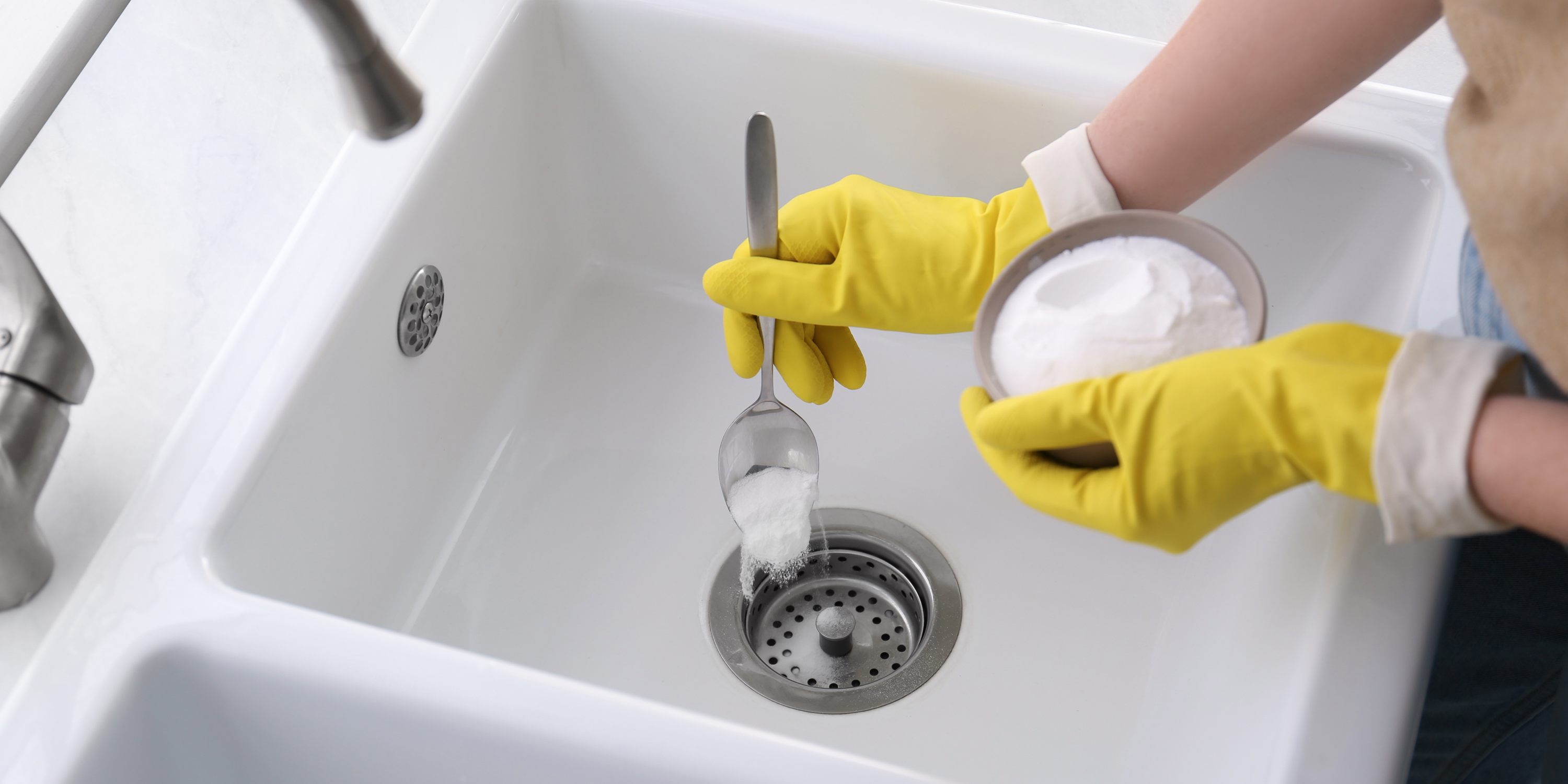
Baking soda acts as a gentle abrasive and natural deodoriser. It is particularly useful for scrubbing sinks and tubs, freshening carpets, neutralising odours in bins and fridges, and helping to clear slow-running drains when combined with boiling water and vinegar.
Essential oils
Certain essential oils have documented antibacterial and antifungal properties that make them useful additions to homemade cleaning products. Tea tree oil, eucalyptus oil, lavender, and lemon essential oils are popular choices. Beyond their functional benefits, they provide a pleasant natural scent without the synthetic fragrance concerns associated with conventional cleaners.
Plant-based detergents
A growing number of commercially available detergents are formulated from plant-derived surfactants rather than petroleum-based chemicals. These products are generally biodegradable, gentler on skin, and less harmful to waterways. When shopping, look for products that clearly disclose their full ingredient list and carry recognised environmental certifications.
Top 5 Must-Have Cleaning Products for Every Household
If you are building a cleaning kit from scratch or looking to simplify what you already have, these five staples will cover the majority of your household cleaning needs.
- All-purpose cleaner: A single eco-friendly, plant-based all-purpose spray can handle most benchtop, appliance, and bathroom surface cleaning tasks. Look for one that is fragrance-free or naturally scented and clearly lists its ingredients.
- Microfibre cloths: Reusable microfibre cloths trap dust and bacteria more effectively than traditional cotton rags and require far less product to achieve a clean result. They are washable and last for many uses, reducing both waste and cost.
- White vinegar: Keep a bottle on hand as a multi-purpose surface cleaner, glass cleaner, and descaler for kettles and showerheads.
- Baking soda: An indispensable gentle abrasive and deodoriser for the kitchen, bathroom, and laundry.
- Toilet bowl cleaner: Choose a toilet cleaner that removes stains and inhibits bacteria without relying on chlorine or ammonia. Several plant-based options are now widely available in Australia.
With these five basics, you can manage everyday cleaning tasks throughout your home. Always store products safely out of reach of children and pets, and follow any label instructions provided by the manufacturer.
DIY Cleaning Product Recipes to Try at Home
Making your own cleaning products is a practical way to reduce both chemical exposure and packaging waste. The following recipes use simple, readily available ingredients.
All-purpose spray cleaner
Combine equal parts water and white vinegar in a clean spray bottle. Add 10 to 15 drops of lemon or lavender essential oil for a pleasant natural scent. Shake before each use and apply to benchtops, stovetops, bathroom surfaces, and appliance exteriors. Avoid on natural stone surfaces.
Streak-free window and glass cleaner
Mix 2 cups of water with a quarter cup of rubbing alcohol and a quarter teaspoon of dish soap (ideally a plant-based variety) in a spray bottle. Spray onto glass and wipe with a clean microfibre cloth for streak-free results.
Oven cleaner
Create a thick paste by combining baking soda with just enough water to form a spreadable consistency. Apply it generously to the interior surfaces of your oven, avoiding the heating elements. Leave overnight, then scrub away the loosened grime with a damp sponge or scrub brush. For stubborn spots, spray a little white vinegar over the baking soda paste and allow it to fizz before scrubbing.
Natural disinfectant spray
Combine half a cup of rubbing alcohol (or a high-proof clear spirit) with half a cup of distilled water and 15 drops of tea tree or eucalyptus essential oil in a spray bottle. Use this on frequently touched surfaces such as door handles, light switches, and benchtops.
Toilet bowl cleaner
Sprinkle baking soda around the inside rim of the toilet bowl, then pour white vinegar directly over it. Allow the mixture to fizz for five minutes before scrubbing with a toilet brush. This combination effectively loosens mineral deposits and surface stains without harsh chemicals.
These recipes are a starting point. Once you become comfortable with the basics, you can experiment with different essential oil combinations and ingredient ratios to find what works best for your home.
Frequently Asked Questions
Are eco-friendly cleaning products as effective as conventional chemical cleaners?
For most everyday household cleaning tasks, yes. Plant-based and natural cleaners handle grease, grime, and surface bacteria effectively. For situations requiring clinical-level disinfection — such as caring for someone who is seriously ill — a stronger disinfectant may be warranted, but this is the exception rather than the rule in a typical home environment.
What harmful chemicals should I most urgently avoid?
Ammonia, chlorine bleach, phosphates, and synthetic fragrances are the substances most worth scrutinising on product labels. Avoiding these reduces your exposure to respiratory irritants and helps minimise the environmental impact of the wastewater that leaves your home.
How do I make a simple DIY all-purpose cleaner?
Mix equal parts white vinegar and water in a spray bottle and add a few drops of your preferred essential oil. This basic solution handles most hard surface cleaning tasks around the home safely and inexpensively.
Can I use natural cleaners in a commercial or workplace setting?
Natural cleaning products are well-suited to home environments. In commercial or high-traffic workplace settings, cleaning requirements are often more complex, involving regulated hygiene standards, specialist equipment, and a wider range of surface types. If you are weighing up cleaning options for a business, it is worth reading about the considerations involved in in-house cleaning versus outsourced commercial cleaning to understand the differences in scope and accountability.
Making the Switch: A Practical Starting Point
Transitioning to eco-friendly cleaning products for home use does not need to happen all at once. A gradual approach is both practical and sustainable. Begin by replacing one or two of the products you use most frequently — perhaps your all-purpose spray or your bathroom cleaner — with a natural or plant-based alternative. Assess the results over a few weeks before making further changes.
As existing products run out, replace them with greener options rather than discarding partially used bottles prematurely (which would itself generate waste). Over time, you may find that a small number of simple products — white vinegar, baking soda, microfibre cloths, and a good plant-based detergent — cover the vast majority of your cleaning needs.
Reducing chemical exposure in the home is a meaningful step for both personal health and environmental responsibility. The shift is easier than many people expect, and the results speak for themselves.