

Managing Commercial Cleaners: Proven Strategies for Better Results
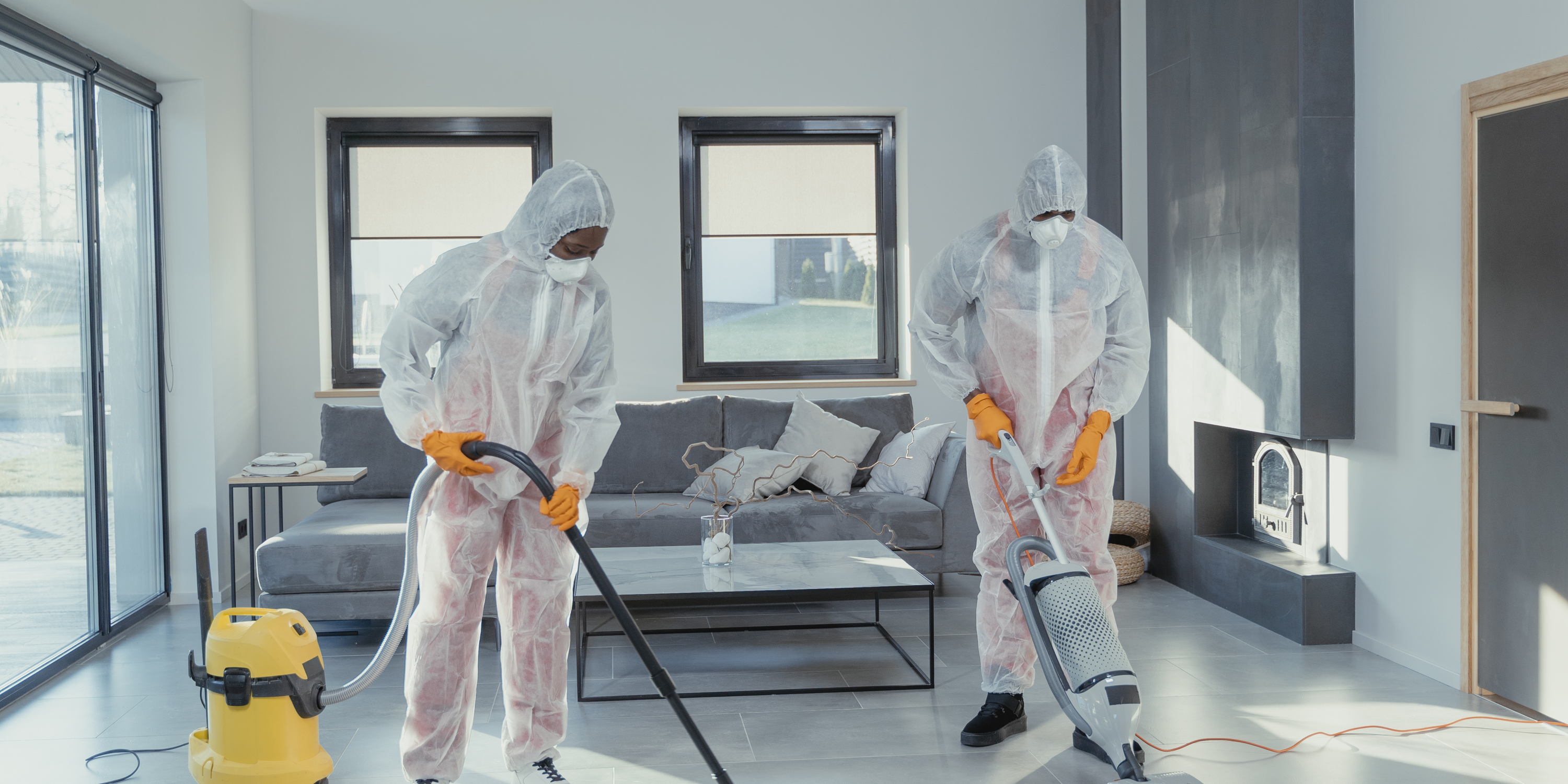
A clean, well-maintained commercial space supports employee wellbeing, creates a professional impression for clients, and helps your business run smoothly. Yet managing commercial cleaners effectively is something many business owners and facility managers find genuinely challenging. Without clear systems in place, even a capable cleaning team can underperform — leading to inconsistent results, missed tasks, and frustration on both sides.
This guide walks through seven practical strategies to help you get better, more consistent results from your commercial cleaning team — whether you manage an in-house crew or coordinate with an external cleaning provider.
Table of Contents
Toggle1. Set Clear Expectations from the Start
One of the most common reasons cleaning standards slip is that expectations were never clearly defined in the first place. When cleaners are unsure what is required of them, they fill in the gaps themselves — and the results rarely match what you had in mind.
Setting clear expectations involves three things:
- Define the scope of work. List every task your cleaners are responsible for — vacuuming, mopping, sanitising surfaces, emptying bins, restocking consumables, cleaning glass, and so on. Be specific about which areas are included and which are not.
- Set measurable performance standards. Rather than asking for a space to be “clean,” specify what clean looks like. For example: all hard floors mopped nightly, bathroom surfaces sanitised and restocked by opening time, no visible dust on desks or windowsills.
- Communicate in writing. A verbal briefing is easy to misremember. Provide a written cleaning schedule or checklist so there is a shared reference point when standards are not met.
A clearly written scope of work also makes it much easier to have productive conversations about performance — because both parties are working from the same document.
2. Provide Adequate Training and the Right Equipment
Expecting high cleaning standards without providing the tools and training to achieve them sets everyone up to fail. Before holding your team accountable for results, make sure they have what they need to succeed.
Training should cover:
- Correct cleaning methods for different surface types (e.g. using the right product on timber floors versus tile)
- Safe handling and storage of cleaning chemicals
- Proper use and maintenance of equipment such as vacuums, steam cleaners, and floor scrubbers
- Infection control procedures, particularly for kitchens, bathrooms, and high-touch surfaces
- Customer service basics if cleaners work in occupied spaces
Equipment and supplies should include: appropriate vacuums, mops, brooms, microfibre cloths, cleaning solutions suited to your surfaces, disinfectants, personal protective equipment, and adequate restocking of consumables.
When cleaners are given proper training and well-maintained equipment, the quality of their work improves noticeably — and they are less likely to cause accidental damage to your premises.
3. Build a Simple Communication System for Ongoing Feedback
Good communication between cleaning staff and site managers is essential for maintaining standards over time. Without a reliable feedback channel, small issues go unreported until they become larger problems.
A practical communication system does not need to be complicated. Consider the following approaches:
- Regular check-ins. A brief weekly or fortnightly conversation — even a short phone call — gives cleaners the opportunity to flag issues before they escalate.
- A written log or digital form. A simple logbook or shared digital form where cleaners can note completed tasks, flag supply shortages, or report maintenance issues keeps everyone informed.
- An open-door policy for raising concerns. Cleaners who feel comfortable speaking up are more likely to report problems — a damaged door seal, a persistent stain, a broken piece of equipment — rather than working around them silently.
Feedback should flow in both directions. Managers should communicate concerns clearly and promptly, and cleaners should feel heard when they raise issues of their own. A workplace where communication is one-sided tends to see higher turnover and lower engagement.
4. Encourage Accountability with Practical Tracking
Accountability does not mean micromanagement — it means having a shared system that makes it easy to see whether work has been completed to the agreed standard.
Some straightforward ways to build accountability into your cleaning management process:
- Use a cleaning checklist. A printed or digital checklist that cleaners sign off on completion creates a simple record of what was done and when.
- Conduct periodic spot checks. Walk through the space after cleaning at irregular intervals. This is not about catching people out — it is about maintaining standards and giving you an evidence base if performance issues arise.
- Track attendance and scheduling. Know who is cleaning your site and when. If a regular cleaner is absent and a substitute is sent, the substitute should be briefed on your scope of work.
Equally important is giving cleaners a sense of ownership over their work. Involve them in decisions that affect how they do their job, give them the autonomy to solve minor problems without escalating everything, and acknowledge that they are the experts in how the cleaning gets done. People who feel trusted tend to take more pride in their work.
5. Recognise and Reward Good Performance
Recognition is one of the most underused tools in managing commercial cleaners. Cleaning is physically demanding, often thankless work — and a team that feels appreciated consistently performs better than one that feels invisible.
Recognition does not have to be elaborate. Some effective approaches include:
- Verbal acknowledgement when a job has been done particularly well
- A written note or message of thanks sent to the cleaner or their supervisor
- Public recognition in a team meeting or staff newsletter
- Incentives such as a bonus, gift card, or additional time off for consistently high performance
Beyond individual recognition, the broader work environment matters. A supportive, respectful atmosphere — where cleaners feel like valued members of the team rather than invisible service providers — encourages higher effort and lower turnover. Small gestures, like ensuring cleaners have access to a break area or introducing them to other staff, can make a meaningful difference.
6. Address Performance Issues Promptly and Constructively
When cleaning standards slip, addressing the issue quickly prevents it from becoming the new norm. Letting problems persist sends the message that the standards you set do not really matter.
When you identify a performance concern — recurring missed tasks, poor quality work in a specific area, frequent lateness — follow these steps:
- Document the issue. Note what was observed, when, and how often. Refer back to the agreed scope of work and performance standards.
- Have a direct conversation. Speak to the cleaner or their manager promptly. Be specific about what has not met the standard and why it matters.
- Identify the cause. Is it a training gap? An equipment issue? A workload problem? A personal matter? Understanding the root cause helps you find a genuine solution rather than simply repeating the complaint.
- Agree on a path forward. Set clear, achievable goals for improvement and a timeframe for review. Offer support — additional training, adjusted scheduling, or better equipment — where appropriate.
- Follow up. Check in on progress after the agreed period and acknowledge improvement when it occurs.
These conversations are most effective when they are empathetic rather than punitive. The goal is improvement, not blame.
7. Continuously Review and Improve Your Cleaning Processes
Even a well-functioning cleaning operation benefits from periodic review. Spaces change — staff numbers grow, equipment ages, hygiene standards evolve — and your cleaning processes should keep pace.
Build a habit of regularly reviewing your approach:
- Conduct periodic cleaning audits. Walk through your premises with your cleaning checklist and assess whether standards are being met consistently across all areas.
- Seek input from cleaners. Your cleaning team often spots inefficiencies that are invisible from a management perspective. Ask them whether current processes are working and whether any tools or methods could be improved.
- Benchmark against current standards. Industry guidance on hygiene, chemical safety, and waste disposal evolves. Staying informed ensures your cleaning practices remain compliant and effective.
- Explore new methods or equipment. New cleaning technologies — microfibre systems, electrostatic sprayers, or updated disinfectant formulations — can improve efficiency and results without increasing cost.
Treating cleaning management as an ongoing process rather than a set-and-forget arrangement leads to steadily improving standards over time.
Frequently Asked Questions About Managing Commercial Cleaners
How do I set realistic cleaning standards for my business?
Start with a written scope of work that lists every area and task. Define what an acceptable outcome looks like for each task — not just “clean,” but specific and observable. Review and refine these standards after the first few months once you have seen what is achievable within your schedule and budget.
What should I do if my commercial cleaner consistently underperforms?
Address the issue directly and early, using the written scope of work as your reference point. Identify whether the problem is a training gap, a resourcing issue, or a motivation issue, and respond accordingly. If performance does not improve after a clear conversation and agreed improvement plan, escalate through the formal process — whether that is with your cleaning contractor or through your HR procedures for in-house staff.
How often should I review my commercial cleaning contract or arrangement?
At a minimum, review your cleaning arrangement annually — or any time your premises change significantly (new fitout, increased staff, new areas added). Regular reviews help ensure the scope of work remains accurate and that standards are still being met.
Should I manage commercial cleaners directly or use a cleaning company?
Both approaches can work well. Managing an in-house team gives you more direct control but also more administrative responsibility. Working with a professional cleaning company shifts much of the day-to-day management burden, though you still need to communicate your expectations clearly and review performance regularly. If you are weighing up your options, our guide on how to choose a commercial cleaning company in Perth covers what to look for when selecting a provider.
Summary
Managing commercial cleaners well comes down to clarity, communication, and consistency. Set expectations in writing, provide the training and tools your team needs, build feedback systems that go both ways, hold people accountable fairly, recognise good work, address issues promptly, and keep refining your approach over time. Businesses that invest in these management practices consistently enjoy cleaner, safer, and more professionally presented workplaces — and a cleaning team that takes genuine pride in the results.