

Cleaning High-Traffic Areas: A Practical Guide for Perth Businesses
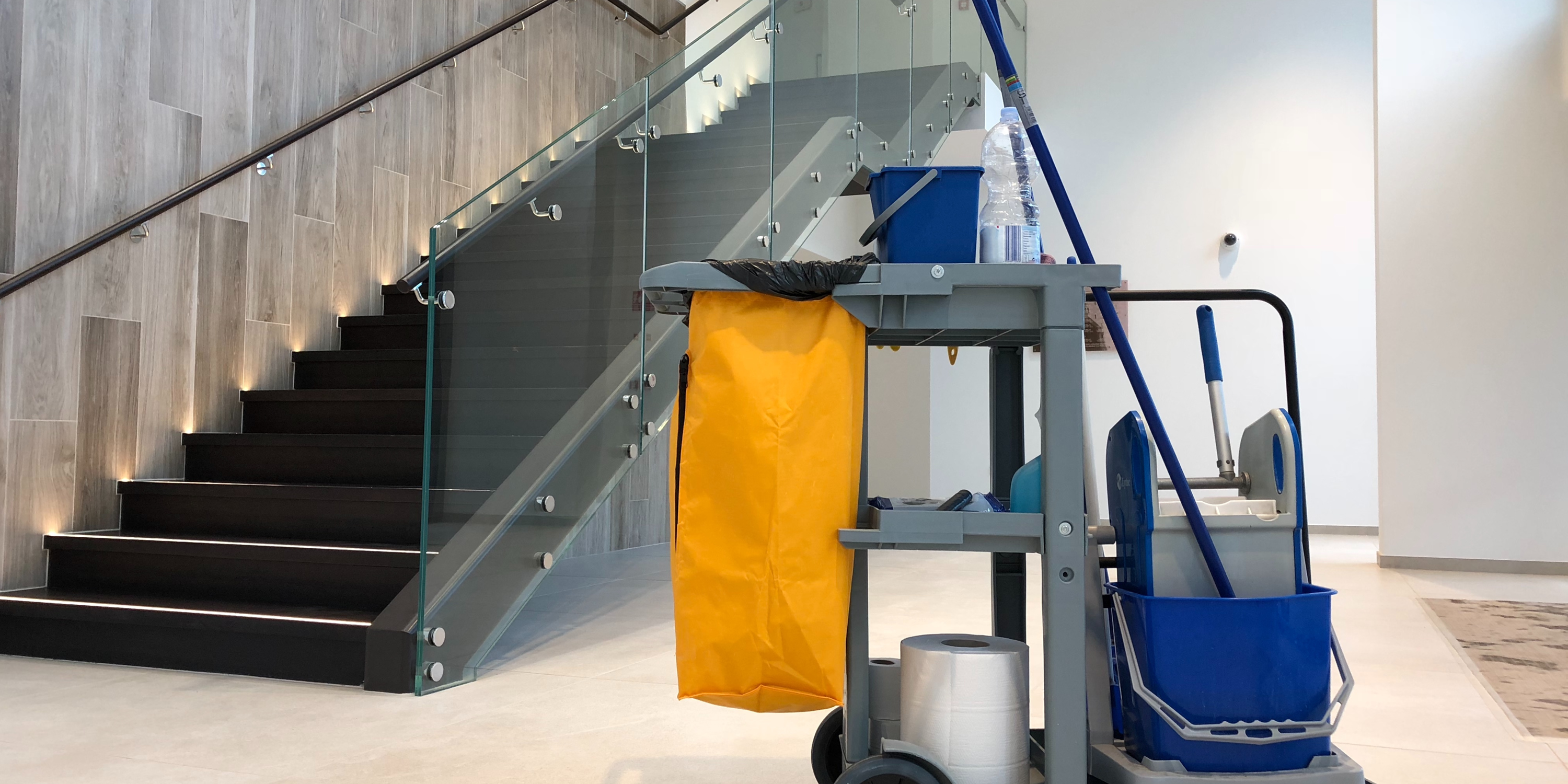
High-traffic areas are the parts of any building that see the most footfall every single day — entrances, lobbies, restrooms, corridors, break rooms, and shared workspaces. Because so many people move through them, these spaces accumulate dirt, germs, and surface wear far faster than the rest of a facility. For Perth businesses, keeping these zones clean is not simply about appearances; it directly affects the health of employees and visitors, the safety of the environment, and the impression your premises make on anyone who walks through the door.
This guide covers the key high-traffic areas found in most commercial buildings, explains why each one requires consistent attention, and outlines the practical benefits of maintaining a structured cleaning routine.
Table of Contents
ToggleWhy High-Traffic Areas Require Special Attention
The challenge with high-traffic zones is that contamination builds up quickly and continuously. A reception desk touched by dozens of visitors, a restroom used by an entire office floor, or a corridor walked by hundreds of people each day will accumulate bacteria, allergens, and debris at a rate that low-use areas simply do not. Without a regular and targeted cleaning schedule, these surfaces become vectors for illness, safety hazards, and a deteriorating first impression.
In a commercial context, neglected high-traffic areas can also accelerate surface wear. Flooring, furniture finishes, and fixtures last significantly longer when cleaned and maintained consistently rather than left to accumulate grime before a periodic deep clean.
If you are unsure whether your current cleaning routine is keeping pace with demand, it is worth reviewing the warning signs your business needs commercial cleaning in Perth to identify gaps before they become visible problems.
Key High-Traffic Areas and How to Approach Each One
Entrances and Exits
Entrances are the first and last point of contact for every person who visits your premises. They are also where the majority of outdoor contamination — dirt, moisture, dust, and debris — enters the building. Door handles, glass panels, and floor mats at entry points require daily attention. In Perth’s drier months, fine dust and sand are common problems; in winter, wet footwear tracking moisture across floor surfaces can create slip hazards.
Routine cleaning of entrance areas should include wiping down door hardware, spot-cleaning glass, vacuuming or shaking out entrance mats, and mopping hard floor surfaces. High-use doors may benefit from more frequent sanitising of handles and push plates throughout the day.
Lobbies and Reception Areas
A lobby or reception area sets the tone for how clients and visitors perceive your business. It is often continuously occupied during business hours, meaning seating, countertops, and flooring are in constant use. Dust accumulates on surfaces, upholstery collects particles, and hard floors show scuff marks and foot traffic patterns quickly.
Cleaning lobbies effectively means addressing both visible surfaces and less obvious contact points — reception counters, pens, visitor sign-in tablets, and seating arm rests. Daily vacuuming or mopping of floors and a regular wipe-down of all surfaces maintains both hygiene and presentation.
Hallways and Corridors
Corridors connect every part of a facility and are used continuously throughout the working day. Because people rarely pause in hallways, the build-up of dust, dirt, and allergens can go unnoticed until it becomes significant. Narrow corridors with poor ventilation are particularly prone to dust accumulation on skirting boards, air vents, and wall surfaces.
Regular vacuuming of carpeted corridors and mopping of hard floor surfaces, combined with periodic dusting of wall-mounted fixtures and vents, keeps these transitional spaces from becoming a source of allergens that spread throughout the building.
Restrooms
Restrooms are one of the highest-risk areas in any commercial building from a hygiene perspective. They are used frequently, involve direct contact with surfaces that harbour bacteria, and can quickly develop odour problems if not cleaned on a consistent schedule.
Restroom cleaning in a commercial setting should typically occur at least once daily, with additional checks and touch-point sanitising throughout the day in buildings with heavy occupancy. This includes toilets, basins, taps, door handles, soap dispensers, hand dryer surfaces, and floor areas. Restocking consumables — soap, paper towels, and toilet tissue — is part of the same routine and should not be treated separately.
Break Rooms and Cafeterias
Shared eating areas are among the most complex high-traffic zones to maintain because they involve food residue, liquid spills, and waste. Left unmanaged, food debris attracts pests and creates an environment where bacteria multiply rapidly on surfaces including benchtops, microwave interiors, sink areas, and refrigerator handles.
Break rooms benefit from a combination of end-of-day deep cleaning and midday wipe-downs of high-contact surfaces. Encouraging staff to clean up after themselves is helpful, but it should complement — not replace — a structured professional cleaning routine.
Elevators and Staircases
Elevators are enclosed spaces used continuously throughout the day, which means fingerprints, dust, and airborne particles accumulate rapidly on buttons, handrails, and wall panels. In wet weather, elevator floors can also become slippery and require more frequent attention.
Staircases present both a cleaning and a safety consideration. Dust and debris on stair treads can reduce grip and increase the risk of slips and falls. Regular vacuuming or sweeping of stair surfaces, combined with cleaning of handrails and any landings, addresses both the hygiene and safety dimensions of these shared spaces.
Workstations and Cubicles
Individual workstations are occupied for extended periods each day, meaning keyboards, mice, desk surfaces, and telephone handsets can carry significant bacterial load. Dust also accumulates on monitors, shelving, and partition walls over time, contributing to poor indoor air quality.
Regular desk and workstation cleaning — including sanitising high-touch items — reduces the spread of illness between staff and supports a more comfortable, productive working environment. Understanding the benefits of hiring professional office cleaners in Perth can help businesses decide how often this type of cleaning should be scheduled and whether in-house staff or a specialist service is the right approach.
Retail Spaces and Showrooms
In retail environments, cleanliness is directly tied to customer experience and product presentation. Floors experience constant foot traffic, product displays are touched repeatedly, and fitting rooms or demo areas can deteriorate quickly without attention. Spills on hard floors in retail spaces also create immediate slip hazards that need to be addressed without delay.
Retail cleaning schedules typically need to account for both trading hours — when reactive cleaning of spills and high-contact surfaces is necessary — and after-hours cleaning, when a more thorough programme covering floors, shelving, glass, and stockroom areas can be completed without disruption to customers.
Common Areas and Waiting Rooms
Waiting rooms in medical practices, professional offices, or service businesses are spaces where people sit for extended periods, often in close proximity to others. Seating surfaces, coffee tables, reading materials, and reception counters all require regular attention. The perception of cleanliness in a waiting room has a direct effect on how clients assess the professionalism and care of the business they are visiting.
Regular vacuuming of upholstered seating, sanitising of hard surfaces and contact points, and prompt removal of waste keeps these areas comfortable and hygienic.
How Often Should High-Traffic Areas Be Cleaned?
Cleaning frequency should reflect the intensity of use rather than a fixed schedule applied uniformly across a building. As a general guide:
- Daily cleaning is appropriate for restrooms, entrance floors and door hardware, break room surfaces, and elevator buttons.
- Multiple times daily may be necessary for restroom touch points, reception counters, and retail floor spills in high-footfall environments.
- Weekly cleaning typically covers workstation surfaces, corridor skirting boards, elevator wall panels, and lobby upholstery.
- Monthly or periodic deep cleaning is appropriate for carpet steam cleaning, hard floor buffing and sealing, high-reach dusting, and behind or underneath furniture.
Matching cleaning frequency to actual usage patterns is the most effective way to control costs while maintaining consistent standards. A monthly cleaning schedule for your home and office can provide a useful structural framework for deciding which tasks belong in each frequency tier.
Benefits of Consistently Cleaning High-Traffic Areas
Maintaining clean high-traffic areas delivers practical benefits that extend well beyond surface appearance:
- Healthier environment: Regular removal of bacteria, allergens, and contaminants from shared surfaces reduces the likelihood of illness spreading among staff and visitors.
- Improved safety: Clean floors, clear corridors, and dry surfaces reduce the risk of slips, trips, and falls — a genuine liability concern for any business.
- Extended surface life: Consistent cleaning prevents the build-up of grime and abrasive particles that gradually degrade flooring, furniture finishes, and fixtures, reducing the frequency of costly replacements.
- Positive first impression: Clean, well-maintained spaces signal professionalism and care to clients, customers, and prospective employees from the moment they arrive.
- Staff morale and productivity: Employees are more comfortable and focused in a clean, organised workspace, and are less likely to experience illness-related absences.
For schools and educational facilities in Perth, where shared high-traffic spaces such as corridors, canteens, and bathrooms present particular challenges, the case for structured professional cleaning is especially strong. The reasons Perth schools invest in professional school cleaning services reflect many of the same principles that apply to commercial premises.
Frequently Asked Questions
What are the most important high-traffic areas to clean in an office?
Restrooms, entrances, break rooms, and reception areas are typically the highest priority in an office environment because they combine heavy use with the greatest potential for bacterial accumulation and visible deterioration. Workstations are also important, particularly in open-plan offices where surfaces are shared or in close proximity.
How often should a commercial building’s high-traffic areas be cleaned?
This depends on the size of the facility and the number of occupants. Most commercial buildings benefit from daily cleaning of restrooms, entrances, and shared kitchen or break areas, with less-used zones addressed on a weekly or monthly cycle. High-footfall retail or hospitality environments may require cleaning multiple times throughout the trading day.
Can regular cleaning of high-traffic areas extend the life of flooring?
Yes. Abrasive particles such as sand and grit — tracked in through entrances — act like sandpaper on hard floor surfaces and damage carpet fibres over time. Regular vacuuming and mopping removes these particles before they cause wear, which meaningfully extends the service life of flooring and reduces long-term replacement costs.
What is the difference between routine cleaning and deep cleaning for high-traffic areas?
Routine cleaning addresses the visible and surface-level build-up that occurs daily — sweeping, mopping, wiping surfaces, and sanitising contact points. Deep cleaning targets areas that routine cleaning does not fully reach, including grout lines, carpet fibres, under furniture, behind fixtures, and high surfaces. Both are necessary; deep cleaning is typically scheduled monthly or quarterly depending on the area.
Keeping High-Traffic Areas Clean: A Summary
Cleaning high-traffic areas in Perth commercial buildings is not a single task but an ongoing commitment that covers a range of spaces, each with its own cleaning requirements and frequency. Entrances, restrooms, lobbies, corridors, break rooms, workstations, retail floors, and waiting rooms all contribute to the overall hygiene, safety, and presentation of a premises — and all deteriorate quickly without structured attention.
Whether managed through an internal team or a professional cleaning service, the key is matching the cleaning programme to the actual demands of each space. Understanding the benefits of professional commercial cleaning in Perth can help businesses make informed decisions about the right approach for their premises and the frequency of service that best protects both their staff and their assets.