
Commercial Cleaning Inspection Checklist: How to Evaluate Cleaning Quality
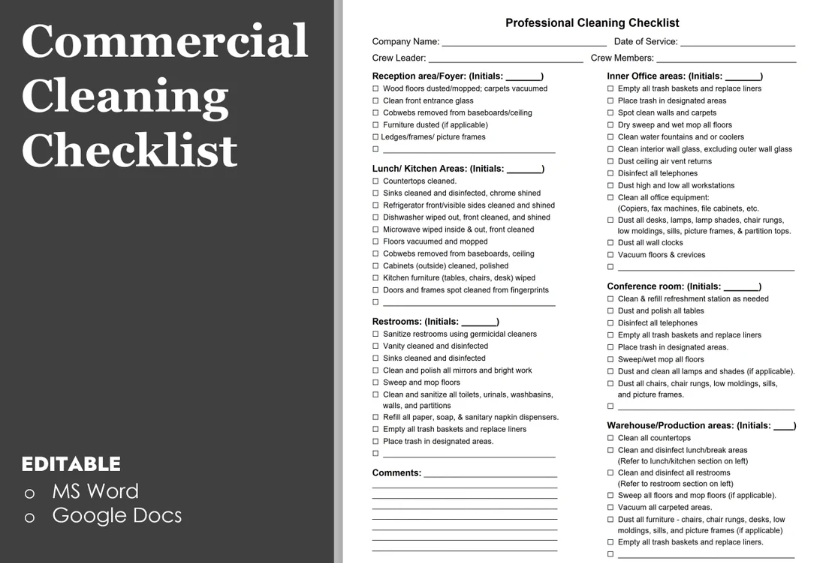
Maintaining a clean commercial property requires more than scheduling regular cleaning services. To achieve consistent results, businesses should also inspect the quality of completed work. A structured commercial cleaning inspection checklist helps ensure that every area of your workplace meets the expected hygiene and presentation standards.
Many organisations assume that if cleaners visit regularly, everything is being cleaned correctly. However, without routine inspections, important tasks can easily be overlooked. Dust may accumulate in hard-to-reach areas, washrooms may not be fully sanitised, carpets can develop stains, and high-touch surfaces may receive insufficient attention.
Regular inspections allow businesses to identify issues early, maintain consistent cleaning standards, and provide constructive feedback to their cleaning provider.
Whether you manage a corporate office, retail store, school, warehouse, medical centre, or hospitality venue, implementing a structured inspection process helps maintain a healthier, safer, and more professional workplace.
Businesses working with experienced Commercial Cleaning Perth professionals often achieve the best long-term results by combining regular cleaning services with scheduled quality inspections.
This guide explains how to inspect commercial cleaning quality, what areas should be reviewed, and how businesses can create a simple but effective quality control system.
Table of Contents
ToggleWhat Is a Commercial Cleaning Inspection?
A commercial cleaning inspection is a systematic review of completed cleaning work to verify that every task has been carried out to the required standard.
Unlike routine cleaning, inspections focus on quality rather than simply confirming that work has been completed.
An effective inspection helps answer questions such as:
- Are all cleaning tasks being completed consistently?
- Are hygiene standards being maintained?
- Have high-touch surfaces been disinfected?
- Are washrooms properly stocked?
- Are floors clean and free from stains?
- Is there any visible dust?
- Are customer-facing areas presentable?
Regular inspections improve accountability while helping businesses maintain a consistently high standard of cleanliness.
Why Every Business Should Conduct Cleaning Inspections
Cleaning inspections provide benefits beyond appearance.
They help businesses:
- Maintain workplace hygiene
- Improve employee wellbeing
- Enhance customer confidence
- Extend the life of workplace assets
- Identify recurring cleaning issues
- Improve contractor performance
- Reduce complaints
- Maintain consistent service quality
Routine inspections also encourage continuous improvement by providing measurable feedback.
How Often Should Cleaning Inspections Be Performed?
Inspection frequency depends on the type of workplace and the level of cleaning provided.
General recommendations include:
| Business Type | Inspection Frequency |
|---|---|
| Corporate Office | Weekly |
| Medical Centre | Daily |
| School | Daily |
| Retail Store | Weekly |
| Warehouse | Weekly |
| Gym | Daily |
| Hospitality Venue | Daily |
Businesses may also conduct monthly management audits to review long-term cleaning performance.
Preparing for a Cleaning Inspection
Before beginning an inspection, ensure you have:
- Cleaning schedule
- Cleaning checklist
- Previous inspection reports
- Maintenance log
- Camera for recording issues (if required)
- Digital or printed inspection form
Using the same checklist during every inspection helps maintain consistency.
Reception Area Inspection Checklist
The reception area creates the first impression for employees, visitors, and customers.
Inspect the following:
Floors
✔ Vacuumed or mopped
✔ No stains
✔ No visible debris
✔ Corners clean
Glass
✔ Fingerprints removed
✔ No smudges
✔ Clean entrance doors
Furniture
✔ Dust-free
✔ Chairs clean
✔ Reception desk sanitised
✔ Decorative items dusted
General Presentation
✔ Fresh smell
✔ Rubbish bins emptied
✔ Entrance tidy
✔ Signage clean
Office Workstation Inspection Checklist
Office areas should promote productivity while maintaining excellent hygiene.
Inspect:
Desks
✔ Clean surfaces
✔ No visible dust
✔ Sanitised shared workstations
Chairs
✔ Dust-free
✔ No stains
✔ Wheels clean
Shared Equipment
✔ Phones cleaned
✔ Printer area tidy
✔ Shared keyboards sanitised
Floors
✔ Vacuumed
✔ No stains
✔ Cables free from dust
Meeting Room Inspection Checklist
Meeting rooms are frequently used by both employees and visitors.
Review:
✔ Tables sanitised
✔ Chairs cleaned
✔ Glass partitions spotless
✔ Whiteboards clean
✔ Presentation equipment dust-free
✔ Floors vacuumed
✔ Waste bins emptied
Kitchen Inspection Checklist
Commercial kitchens require careful attention because food preparation areas are particularly vulnerable to bacteria.
Inspect:
Benchtops
✔ Sanitised
✔ No food residue
✔ Dry and clean
Appliances
✔ Microwave cleaned
✔ Refrigerator exterior wiped
✔ Coffee machine cleaned
✔ Sink sanitised
Dining Area
✔ Tables cleaned
✔ Chairs wiped
✔ Floors mopped
✔ Bins emptied
Food Safety
✔ No unpleasant odours
✔ Waste removed
✔ Cleaning supplies stored correctly
✔ Consumables available
Washroom Inspection Checklist
Washrooms are among the most frequently used areas in any commercial property and require the highest hygiene standards. Even a small issue, such as an unpleasant odour or empty soap dispenser, can create a negative impression of your business.
Inspect the following during every cleaning review.
Toilets and Urinals
✔ Clean and sanitised
✔ No stains or residue
✔ Flush operating correctly
✔ No unpleasant odours
✔ Surrounding floors clean
Hand Basins
✔ Basin sanitised
✔ Taps polished
✔ No water stains
✔ Drains clear
✔ Splash areas cleaned
Mirrors
✔ No fingerprints
✔ No streaks
✔ Free from dust
Consumables
✔ Soap dispensers full
✔ Toilet paper stocked
✔ Paper towels available
✔ Hand dryers operational
Floors
✔ Mopped
✔ Dry
✔ Corners clean
✔ No visible dirt
General Hygiene
✔ Waste bins emptied
✔ Sanitary bins serviced
✔ Ventilation operating correctly
✔ Pleasant fresh smell
Warehouse Inspection Checklist
Warehouses require specialised inspections because dust, heavy equipment, and high traffic can quickly affect workplace safety.
Warehouse Floors
✔ Swept
✔ Machine scrubbed where required
✔ No oil spills
✔ No debris
✔ Walkways clearly visible
Storage Areas
✔ Shelving dust-free
✔ No rubbish accumulation
✔ Pallet storage organised
✔ Fire exits unobstructed
Loading Docks
✔ Clean surface
✔ No packaging waste
✔ Dock doors clean
✔ Safe pedestrian access
Staff Facilities
✔ Lunchroom clean
✔ Washrooms sanitised
✔ Lockers tidy
✔ Waste removed
Retail Store Inspection Checklist
Retail environments rely heavily on presentation. Customers often judge a business by its cleanliness before interacting with staff.
Entrance
✔ Glass doors spotless
✔ Entrance mats clean
✔ Display windows polished
✔ No litter
Shop Floor
✔ Floors vacuumed or mopped
✔ Shelves dust-free
✔ Product displays clean
✔ No visible marks
Customer Areas
✔ Checkout counters sanitised
✔ Change rooms clean
✔ Seating wiped
✔ Waste bins emptied
Staff Areas
✔ Kitchen cleaned
✔ Staff washrooms sanitised
✔ Storage room organised
School Inspection Checklist
Educational facilities require consistent cleaning to help create healthier learning environments.
Classrooms
✔ Student desks cleaned
✔ Whiteboards wiped
✔ Floors vacuumed or mopped
✔ Waste bins emptied
✔ Shared equipment sanitised
Hallways
✔ Floors clean
✔ Handrails sanitised
✔ Drinking fountains cleaned
✔ Walls free from marks
Washrooms
✔ Toilets sanitised
✔ Soap stocked
✔ Floors disinfected
✔ Mirrors polished
Common Areas
✔ Library clean
✔ Staff room sanitised
✔ Cafeteria cleaned
✔ Sports equipment areas maintained
Medical Centre Inspection Checklist
Healthcare environments require the highest standards of cleanliness.
Waiting Areas
✔ Seating sanitised
✔ Floors cleaned
✔ Reception desk disinfected
✔ Waste removed
Consultation Rooms
✔ Examination surfaces disinfected
✔ Benches sanitised
✔ Equipment cleaned
✔ Floors spotless
Patient Facilities
✔ Washrooms sanitised
✔ Consumables stocked
✔ Touchpoints disinfected
✔ Odour-free environment
Infection Control
✔ Approved disinfectants used
✔ Colour-coded cleaning system followed
✔ Waste disposed of correctly
✔ Cross-contamination prevented
High-Touch Surface Inspection
Many germs spread through surfaces that people touch repeatedly throughout the day.
Inspect all high-contact areas, including:
✔ Door handles
✔ Lift buttons
✔ Light switches
✔ Reception counters
✔ Shared keyboards
✔ Computer mice
✔ Telephones
✔ Coffee machines
✔ Printer controls
✔ Handrails
✔ Touch screens
✔ Meeting room tables
These surfaces should be sanitised regularly according to the cleaning schedule.
Monthly Supervisor Inspection
In addition to routine cleaning checks, supervisors should perform a more detailed monthly inspection to evaluate overall cleaning quality and identify recurring issues.
Review areas such as:
Cleaning Standards
✔ Cleaning tasks completed as scheduled
✔ Consistent quality across all areas
✔ No recurring complaints
Equipment Condition
✔ Vacuum cleaners operating correctly
✔ Floor scrubbers maintained
✔ Cleaning tools clean and in good condition
✔ Chemicals stored safely
Staff Performance
✔ Uniforms worn correctly
✔ Safe work practices followed
✔ Cleaning procedures completed
✔ Communication with management satisfactory
Commercial Cleaning Quality Scorecard
Using a scorecard helps businesses monitor cleaning performance objectively over time.
| Area | Excellent | Good | Needs Improvement | Comments |
|---|---|---|---|---|
| Reception | ☐ | ☐ | ☐ | __________ |
| Office Workstations | ☐ | ☐ | ☐ | __________ |
| Meeting Rooms | ☐ | ☐ | ☐ | __________ |
| Kitchens | ☐ | ☐ | ☐ | __________ |
| Washrooms | ☐ | ☐ | ☐ | __________ |
| Floors | ☐ | ☐ | ☐ | __________ |
| Windows & Glass | ☐ | ☐ | ☐ | __________ |
| High-Touch Surfaces | ☐ | ☐ | ☐ | __________ |
| Waste Management | ☐ | ☐ | ☐ | __________ |
| Overall Presentation | ☐ | ☐ | ☐ | __________ |
Maintaining monthly records makes it easier to identify trends and work with your cleaning provider to improve service quality.
Common Cleaning Inspection Mistakes
Even with a structured checklist, businesses sometimes overlook important aspects of quality control.
Avoid these common mistakes:
Only Inspecting Visible Areas
Dust and dirt often accumulate in less obvious places such as air vents, skirting boards, under furniture, and behind equipment. Include these locations in periodic inspections.
Ignoring High-Touch Surfaces
Reception counters, door handles, shared kitchen appliances, and lift buttons should be inspected carefully because they are touched frequently throughout the day.
Inconsistent Inspection Schedules
Random or infrequent inspections make it difficult to measure service quality. Establish a regular inspection routine and use the same checklist each time.
Not Recording Findings
Keep written or digital inspection records with photos where appropriate. This creates accountability and helps track improvements over time.
Focusing Only on Problems
Inspection reports should also highlight areas where cleaning standards are consistently high. Positive feedback encourages continuous improvement and helps maintain strong working relationships with your cleaning provider.
How to Audit Your Commercial Cleaning Provider
Hiring a professional cleaning company is only the first step. Maintaining consistently high cleaning standards requires regular performance reviews. Conducting routine audits helps businesses identify recurring issues, improve accountability, and ensure cleaning services continue to meet workplace expectations.
An effective audit should assess not only whether cleaning tasks have been completed, but also the overall quality, consistency, and professionalism of the service.
When auditing your cleaning provider, consider the following:
Service Consistency
Review whether cleaning standards remain consistent throughout the building.
Check:
- Reception areas
- Offices
- Kitchens
- Washrooms
- Meeting rooms
- Corridors
- Staff facilities
If one area consistently receives better attention than another, discuss this with your cleaning provider and adjust the cleaning plan if required.
Cleaning Quality
Evaluate the quality of completed work rather than simply confirming tasks were completed.
Ask yourself:
✔ Are floors genuinely clean?
✔ Are glass surfaces streak-free?
✔ Have fingerprints been removed?
✔ Are carpets free from stains?
✔ Are washrooms hygienic?
✔ Are bins emptied consistently?
✔ Is there visible dust?
A professional cleaning company should consistently meet agreed quality standards.
Communication
Strong communication contributes significantly to long-term service success.
Review:
- Response time to requests
- Supervisor availability
- Problem resolution
- Schedule flexibility
- Follow-up after inspections
Reliable communication helps resolve small issues before they become larger problems.
Staff Professionalism
Professional cleaners represent your business while working on-site.
Observe whether staff:
- Arrive on time
- Wear appropriate uniforms
- Follow workplace safety procedures
- Respect your premises
- Work efficiently
- Use professional equipment
Professional behaviour contributes to a positive working relationship.
Printable Commercial Cleaning Inspection Checklist
Businesses may wish to print or convert the following checklist into a digital inspection form for routine quality assessments.
Daily Inspection
☐ Reception clean
☐ Workstations sanitised
☐ Meeting rooms tidy
☐ Kitchens cleaned
☐ Washrooms sanitised
☐ Floors vacuumed or mopped
☐ Bins emptied
☐ High-touch surfaces disinfected
☐ Glass cleaned
☐ Fresh presentation maintained
Weekly Inspection
☐ Interior glass cleaned
☐ Furniture dusted
☐ Air vents inspected
☐ Kitchen appliances cleaned
☐ Carpet spot treatment completed
☐ Upholstery vacuumed
☐ Skirting boards cleaned
☐ Detailed floor inspection completed
Monthly Inspection
☐ Carpet deep cleaning completed
☐ Floor polishing completed
☐ High-level dusting completed
☐ Upholstery cleaned
☐ Window detailing completed
☐ Deep washroom sanitisation completed
☐ Equipment maintenance checked
Quarterly Inspection
☐ External windows cleaned
☐ Pressure washing completed
☐ Warehouse high dusting completed
☐ Lighting fixtures cleaned
☐ External building presentation reviewed
☐ Preventative maintenance completed
Keeping completed inspection records helps demonstrate cleaning performance and identify opportunities for improvement over time.
Frequently Asked Questions
What is a commercial cleaning inspection?
A commercial cleaning inspection is a structured review used to assess whether professional cleaning has been completed to the required quality standard. It focuses on cleanliness, hygiene, presentation, and consistency throughout the workplace.
How often should commercial cleaning inspections be carried out?
Inspection frequency depends on the type of business. High-traffic environments such as schools, medical centres, gyms, and hospitality venues often benefit from daily inspections, while offices, warehouses, and retail stores may require weekly reviews with more comprehensive monthly audits.
Who should complete cleaning inspections?
Cleaning inspections can be carried out by:
- Facility managers
- Office managers
- Site supervisors
- Building managers
- Cleaning company supervisors
Some businesses also perform joint inspections with their cleaning contractor to maintain clear communication and accountability.
Why are cleaning inspections important?
Routine inspections help businesses:
- Maintain consistent cleaning standards
- Identify recurring issues
- Improve workplace hygiene
- Enhance customer confidence
- Support employee wellbeing
- Protect workplace assets
Regular inspections also encourage continuous improvement from cleaning providers.
Should businesses keep inspection records?
Yes. Maintaining written or digital inspection records provides valuable evidence of cleaning performance, helps identify recurring issues, and supports discussions during service reviews or contract renewals.
Can a cleaning inspection checklist improve service quality?
Absolutely. Using the same checklist during every inspection creates consistency, makes it easier to compare results over time, and ensures no important areas are overlooked.
Conclusion
A professional commercial cleaning service should deliver more than routine cleaning—it should provide consistent, measurable quality that supports a safe, healthy, and welcoming workplace.
By implementing a structured commercial cleaning inspection checklist, businesses can monitor service quality, identify areas for improvement, and maintain high hygiene standards throughout their premises. Regular inspections also strengthen communication with cleaning providers, encourage accountability, and help ensure every area of the workplace continues to meet expected standards.
Whether you manage a corporate office, educational facility, retail store, medical centre, warehouse, or industrial property, routine cleaning inspections are an effective way to protect your business, improve employee wellbeing, and create a positive experience for customers and visitors.
If you’re looking for experienced Commercial Cleaning Perth professionals, choosing a provider that welcomes regular inspections and quality reviews demonstrates a commitment to transparency, continuous improvement, and long-term customer satisfaction.